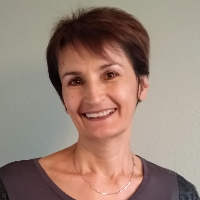
About Zvonka
Dr. Zvonka Jakopovic brings three decades of counseling experience to her work. She practices as an LPC in Texas and communicates in English, Croatian, and Serbian.
Many clients call her Dr. J. She meets people where they are and helps them take practical next steps.
Her background includes long experience with individuals and groups across clinical settings. She holds a master's degree and a doctoral degree in Marriage and Family Counseling.
Background and approach
Over her career she has focused on stress, anxiety, trauma and abuse, grief, depression, addictions, and compassion fatigue. In sessions she uses straightforward talk and concrete tools. She draws on Client-Centered methods to follow what matters most to the client.
She uses Cognitive Behavioral ideas to help people test unhelpful thoughts and try new behaviors. Narrative and existential approaches help people make sense of difficult life changes and questions about meaning. Dr.
Jakopovic also works with issues like relationship and communication problems, intimacy concerns, anger, self-esteem, bipolar mood challenges, and caregiver stress. She helps people facing chronic illness, hospice and end-of-life concerns, immigration stresses, and the strain of caregiving. Therapy is organized around realistic goals.
Sessions look at day-to-day coping, skill building, and clearer communication. The pace and focus are set together so work stays useful and manageable. She accepts international clients and offers online formats to fit different needs.
New clients start by completing a short matching questionnaire and then schedule appointments based on therapist availability.
Therapeutic approaches and online care
Dr. Jakopovic uses Client-Centered Therapy to keep sessions focused on what the person finds most important. That approach emphasizes listening, validation, and helping clients find their own solutions. She also applies Cognitive Behavioral Therapy, which looks at thoughts and behaviors and teaches practical skills to reduce anxiety, manage mood, and change unhelpful patterns.Choosing the right approach is part of the work. She collaborates with each person to match methods to their goals and preferences. Together they try methods, review what helps, and adjust the plan as needed so progress fits the client's life.
Online formats include video calls, phone sessions, live chat, and text-based messaging. Video sessions allow face-to-face interaction for skills practice and deeper conversations. Phone work can be easier when bandwidth is limited or when a shorter check-in fits a busy day. Live chat and text messaging let clients send quick reflections or get brief support between sessions. These options make it easier to fit counseling into daily routines and to maintain regular contact with a licensed professional.
Questions people ask
What concerns does she address?
What is her general therapeutic style?
How long has she practiced?
Where is she licensed and based?
Which languages are available for sessions?
What session formats does she use?
How are sessions paid for?
How do I begin working with her?
What this counselor works with
Most often
- Stress, Anxiety
- Relationship issues
- Trauma and abuse
Also listed
- Addictions
- Aging and geriatric issues
- Anger management
- Bipolar disorder
- Cancer
- Caregiver issues and stress
- Commitment issues
- Communication problems
- Compassion fatigue
- Coping with life changes
- Depression
- Disruptive Mood Dysregulation Disorder (DMDD)
- Divorce and separation
- Family conflicts
- Family of origin issues
- Family problems
- Forgiveness
- Grief
- Guilt and shame
- Hospice and end-of-life counseling
- Immigration issues
- Impulsivity
- Intimacy-related issues
- Life purpose
- Midlife crisis
- Mood disorders
- Multicultural concerns
- Panic disorder and panic attacks
- Post-traumatic stress
- Prejudice and discrimination
- Self esteem
- Self-love
- Young adult issues
Therapeutic approaches
- Experience
- 30 years
- Licensed
- Texas
- Languages
- English, Croatian, Serbian