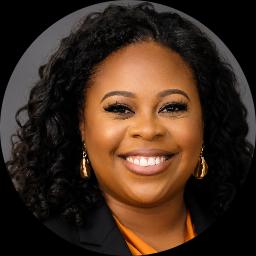
About Vanencia
Dr. Vanencia Lynch helps people manage stress, anxiety, depression, low self-esteem, grief, and ADHD-related challenges. She focuses on everyday problems like feeling stuck, trouble communicating, and coping after separation.
Her tone is practical and direct, aimed at people who want clear steps and steady support. She uses straightforward talk therapy and tools from evidence-based approaches to set small, achievable goals. Sessions are collaborative - the person and therapist decide what to try next.
Background and approach
Dr. Lynch emphasizes skills that can be used between appointments to reduce overwhelm and improve daily functioning. Her approach pays close attention to how early relationships and attachment patterns shape current feelings and behaviors.
That helps when someone faces abandonment, codependency, or repeating the same relationship problems. She also addresses life transitions like midlife change, shifts in identity, and questions of life purpose. Dr.
Lynch draws on cognitive methods to identify unhelpful thinking and on narrative techniques to reframe personal stories. Motivational strategies are used when someone wants to make a change but feels stuck. Emotion-focused work supports people who need help naming and tolerating strong feelings.
She brings eight years of clinical experience and practices in Texas as an LPC, Licensed Professional Counselor. Sessions aim to be practical, respectful, and paced to match the person’s needs and readiness for change.
Evidence-informed approaches for online care
Dr. Lynch uses Client-Centered Therapy to build a respectful, nonjudgmental space where people can share what matters to them and guide the pace of work. This approach helps people feel heard and more able to make changes at their own speed.She also uses Cognitive Behavioral Therapy, which focuses on identifying unhelpful thoughts and trying small behavioral experiments to change mood and behavior. CBT is useful for anxiety, depression, and many day-to-day problems where thoughts drive strong reactions.
Finding the right approach is a collaborative process. She will work with each person to choose methods that fit their goals, preferences, and the challenges they bring, and will adjust strategies as progress is made.
Online formats include video calls, phone sessions, live chat, and text-based messaging. Video allows face-to-face conversation when visual cues help, phone sessions can be easier when bandwidth is limited, chat works for quick check-ins, and messaging supports ongoing reflection between appointments. These options make scheduling more flexible and allow therapy to fit into busy lives.
Questions people ask
What concerns does she help with?
What is her general therapy style?
What kind of clinical background does she have?
What credentials and location should I know about?
Can sessions be conducted in other languages or internationally?
Which session formats are available?
How does billing and cost work?
How do I begin working with her?
What this counselor works with
Most often
Also listed
- Abandonment
- ADHD
- Attachment issues
- Blended family issues
- Codependency
- Communication problems
- Control issues
- Coping with natural or human-caused disaster
- Depression
- Disruptive Mood Dysregulation Disorder (DMDD)
- Divorce and separation
- Family problems
- Guilt and shame
- Impulsivity
- Life purpose
- Men's issues
- Midlife crisis
- Mood disorders
- Multicultural concerns
- Panic disorder and panic attacks
- Prejudice and discrimination
- Seasonal Affective Disorder (SAD)
- Self-love
- Women's issues
- Workplace issues
- Young adult issues
Therapeutic approaches
- Experience
- 8 years
- Licensed
- Texas
- Languages
- English