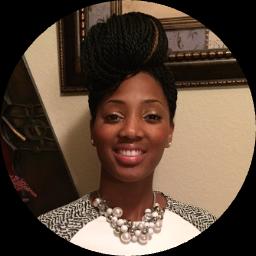
About Tiesha
Tiesha White offers calm, steady support for people feeling stuck, overwhelmed, or unsure how to move forward. She writes in a straightforward way and focuses on helping people notice what changes are possible. Tiesha believes small shifts in daily life can make things feel more manageable.
She invites clients to explore what matters and to try ways of living that fit their goals. Tiesha uses a person-centered stance in sessions, listening first and following what the client brings.
Background and approach
She guides clients toward greater self-awareness and helps them practice skills they can use between meetings. This practical focus is aimed at building a routine that supports mood, coping, and clearer communication. Her background includes seven years of clinical work, and she holds a Licensed Professional Counselor credential - LPC.
She practices in Texas and offers sessions in English. The biography emphasizes lifestyle changes, mindfulness, and a steady therapeutic relationship as tools for change. Tiesha often works with issues such as grief, caregiver stress, mood problems, panic, post-traumatic stress, and feelings of isolation.
She also helps people dealing with attachment wounds, control struggles, guilt, shame, and questions about life purpose or midlife transitions. In sessions clients can expect a focus on self-awareness, small practical steps, and skills to improve communication and emotional regulation. Tiesha frames therapy as a collaborative journey where clients experiment, reflect, and adjust their daily habits to support healthier living.
How practical therapy and online sessions work together
In person-centered work the therapist begins by listening and following what the client brings. This approach helps people identify values, daily habits, and small changes that can reduce symptoms like panic, low mood, or isolation. It is useful for issues rooted in attachment, caregiver stress, and life transitions.Mindfulness-based lifestyle techniques encourage simple daily practices to improve awareness and mood. These are short exercises and attention shifts clients can try between sessions to notice patterns and reduce reactivity. The therapist helps adapt these practices to the client’s routine so they are realistic and sustainable.
Finding the right approach is a collaborative process. The therapist will talk with the client about goals and preferences, try techniques, and adjust based on what helps. Together they decide which strategies to keep, change, or stop using as progress unfolds.
Online therapy offers flexibility through video calls, phone sessions, live chat, and text-based messaging. Video is helpful for a fuller conversation and visual cues. Phone sessions can be easier when bandwidth is limited or a shorter check-in is needed. Live chat and text messaging work well for frequent check-ins, homework support, or when writing feels more comfortable. These options make it easier to fit therapy into busy days and varied schedules.
Questions people ask
What kinds of concerns does she help with?
What is her general approach in sessions?
How much clinical experience does she have?
What credentials and location should I know about?
In which languages are sessions offered?
Can people outside the United States work with her?
What session formats are available?
How does cost and scheduling work?
What this counselor works with
Also listed
- Abandonment
- Attachment issues
- Caregiver issues and stress
- Chronic pain, illness, and disability
- Communication problems
- Control issues
- Forgiveness
- Guilt and shame
- Impulsivity
- Isolation / loneliness
- Life purpose
- Midlife crisis
- Mood disorders
- Panic disorder and panic attacks
- Post-traumatic stress
- Pregnancy and childbirth
- Self-love
- Sexuality
- Social anxiety and phobia
- Women's issues
- Workplace issues
- Experience
- 7 years
- Licensed
- Texas
- Languages
- English