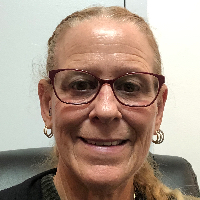
About Theresa
Theresa Bishop is a licensed professional counselor who uses practical, evidence-informed methods to help people manage stress, anxiety, addiction, depression, and related concerns. She writes plainly and listens closely, helping clients take small, steady steps toward clearer thinking and healthier habits. Her approach centers on what each person needs right now.
Theresa blends cognitive behavioral ideas with acceptance-focused work to help people change unhelpful patterns. She also draws on dialectical behavior skills for emotion regulation and motivational interviewing to boost readiness for change.
Background and approach
Sessions focus on what’s useful and realistic for daily life. With ten years of clinical experience, Theresa has worked with people facing trauma, grief, mood disorders, bipolar disorder, and addiction. She helps individuals sort through family problems, relationship struggles, caregiver stress, and issues tied to identity, including LGBT concerns.
Her background includes supporting people through major life shifts and chronic stress. Theresa keeps goals straightforward. She helps clients build coping skills for panic, insomnia, anger, and low self-esteem.
She also supports those dealing with process addictions, substance use, and codependency by teaching concrete tools and step-by-step strategies. Theresa practices in Pennsylvania as an LPC, and she offers sessions in English. She combines practical coaching with traditional counseling methods to help people find workable solutions and regain a sense of control.
Using practical approaches in online therapy
Theresa often uses Acceptance and Commitment Therapy, which helps people notice difficult thoughts and feelings without getting stuck in them while focusing on actions that match their values. This approach can be helpful for anxiety, stress, and coping with life changes.She also uses Cognitive Behavioral Therapy to help people identify unhelpful thinking patterns and practice different behaviors. CBT works well for depression, panic, insomnia, and problems with mood and motivation.
Finding the right approach is part of the work together. Theresa will discuss goals, preferences, and what feels most useful, and then adapt methods so they fit each person’s life. That decision is collaborative and can change as progress is made.
Online formats include video calls, phone sessions, live chat, and text-based messaging. Video calls let people maintain face-to-face conversation when needed. Phone sessions can be easier when bandwidth is limited or when someone needs a shorter check-in. Live chat and text messaging offer flexibility for quick updates, reflections between sessions, or for people who prefer writing. These options make it easier to fit counseling into a busy schedule and to keep momentum between appointments.
Questions people ask
What kinds of problems does she help with?
What is her therapeutic style?
How much experience does she bring?
What are her credentials and where is she based?
Which languages are supported for sessions?
Can international clients work with her?
What session formats does she offer?
How are sessions paid for and how do I start?
What this counselor works with
Most often
Also listed
- ADHD
- Anger management
- Bipolar disorder
- Career difficulties
- Caregiver issues and stress
- Coaching
- Codependency
- Communication problems
- Compassion fatigue
- Coping with life changes
- Coping with natural or human-caused disaster
- Depression
- Drug and alcohol addiction
- Family conflicts
- Family problems
- Forgiveness
- Grief
- Isolation / loneliness
- LGBT
- Midlife crisis
- Mood disorders
- Multicultural concerns
- Panic disorder and panic attacks
- Parenting issues
- Personality disorders
- Process addiction (porn, exercise, gambling)
- Relationship issues
- Seasonal Affective Disorder (SAD)
- Sexuality
- Sleeping disorders
- Social anxiety and phobia
- Trauma and abuse
- Women's issues
- Workplace issues
Therapeutic approaches
- Experience
- 10 years
- Licensed
- Pennsylvania
- Languages
- English