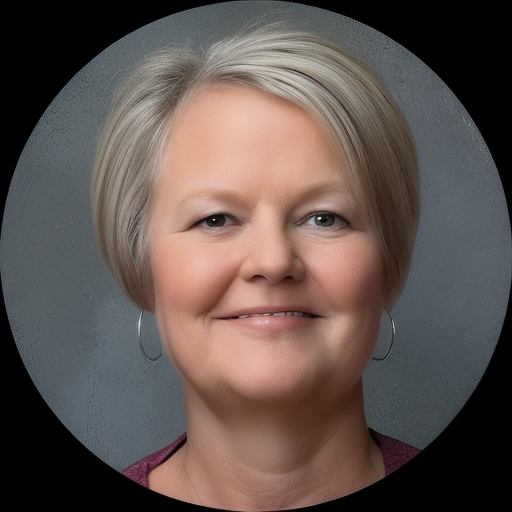
About Suzanne
Suzanne Kapica is a Licensed Professional Counselor with 20 years of experience in clinical work. She focuses on helping people manage stress, anxiety, depression, trauma, and parenting challenges. Suzanne aims to create a calm, respectful space where clients feel heard and valued as they consider next steps.
She moves at a pace that fits each person and uses straightforward strategies people can try between sessions. Suzanne often draws on Cognitive Behavioral Therapy, but she combines several approaches to match each person’s needs.
Background and approach
The goal is practical change, not jargon or lengthy theory. Her style centers on building a caring therapeutic relationship first. Suzanne helps clients name goals, spot what gets in the way, and make small, doable shifts.
She emphasizes strengths and skills that people already have and adapts plans as progress is made. Over two decades she has supported people facing complicated life events like divorce, loss, chronic illness, adoption and attachment concerns, and postpartum challenges. She also addresses panic, mood disorders, self-harm urges, and the long effects of trauma and abuse.
Suzanne offers a mix of structured techniques and empathic listening. That combination can help when someone needs clearer thinking, better coping tools, or steadier emotional regulation. Her approach is practical and relational, aimed at helping people move forward in tangible ways.
Approaches that guide online sessions
Suzanne commonly draws on Cognitive Behavioral Therapy and Attachment-Based Therapy in her work. CBT focuses on identifying unhelpful thoughts and testing them against real-life evidence, which can reduce anxiety and improve mood through concrete exercises. Attachment-Based Therapy looks at how early relationships influence current patterns and helps people build more supported ways of relating and coping, useful for parenting, adoption-related concerns, and relationship stress.Choosing the right approach is a collaborative process. Suzanne will talk with each person about goals, life context, and what feels most helpful. Together they shape a plan that can change over time as progress is made or new needs emerge.
Online therapy offers flexible ways to connect. Video calls allow face-to-face interaction when a deeper conversation is needed. Phone sessions are useful when bandwidth is limited or for straightforward check-ins. Live chat and text-based messaging work well for short updates, brief coping reminders, or when someone prefers not to be on camera. These options can make it easier to fit therapy into a busy schedule and keep momentum between sessions.
Questions people ask
What kinds of concerns does Suzanne help with?
What is her general approach in sessions?
How long has she worked in counseling?
Where is she licensed and based?
Which languages are supported for sessions?
What session formats are available?
How does pricing work?
How do I begin working with her?
What this counselor works with
Most often
- Stress, Anxiety
- Trauma and abuse
- Parenting issues
Also listed
- Abandonment
- Adoption and foster care
- Attachment issues
- Chronic pain, illness, and disability
- Communication problems
- Control issues
- Coping with life changes
- Depression
- Divorce and separation
- Guilt and shame
- Impulsivity
- Isolation / loneliness
- Mood disorders
- Panic disorder and panic attacks
- Post-traumatic stress
- Postpartum depression
- Self-harm
- Self-love
- Sexual assault and abuse
- Social anxiety and phobia
- Young adult issues
Therapeutic approaches
- Experience
- 20 years
- Licensed
- Texas, Michigan
- Languages
- English