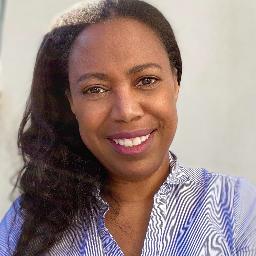
About Sherol
Sherol Ziegenbein is a licensed counselor who helps people dealing with family strain, low self-esteem, career uncertainty, stress, anxiety, and trauma. She draws on two decades of experience to offer steady, practical support. Her style is straightforward and focused on helping people find direction and relief.
She has worked with a wide range of people across different backgrounds. Much of her work has been with disadvantaged groups and with individuals who have cognitive challenges or long-term mental health conditions.
Background and approach
That experience shapes how she responds in crisis and during stressful transitions. Sherol emphasizes mindfulness and staying centered. She uses that focus to help people notice what matters, make small changes, and build routines that reduce overwhelm.
Sessions are meant to be a place to talk through problems and try new ways of coping. Her clinical methods include cognitive behavioral approaches and client-centered techniques, along with acceptance-based and emotion-focused work. She also uses relationship-focused tools when people want help with communication and connection.
Over her career she has provided crisis intervention and has worked with domestic violence shelters and community outreach programs. That background gives her practical experience with safety planning, stabilization, and steps to regain daily functioning. People who come to her often want a clear path forward.
She aims to help them discover self-worth, regain a sense of purpose, and find small, manageable steps toward change.
Approaches for online healing and connection
Acceptance and Commitment Therapy helps people notice difficult thoughts and feelings without being driven by them, then choose actions that line up with their values. It is useful for stress, anxiety, and life changes when someone wants clearer direction. Cognitive Behavioral Therapy focuses on the link between thoughts, feelings, and behavior and teaches practical skills to reduce anxiety and change unhelpful patterns. It is often used for stress, trauma responses, and mood shifts.Choosing the right approach is part of the work. Sherol will collaborate with each person to decide which methods fit their goals and preferences. That means trying things, checking what helps, and adjusting the plan as needed so therapy stays useful and relevant.
Online therapy offers flexible ways to meet. Video calls let people work face to face when schedules allow. Phone sessions can fit a quick check-in or work better when bandwidth is limited. Live chat and text-based messaging allow shorter, frequent exchanges and help keep momentum between sessions. These options make it easier to fit therapy around work, caregiving, or travel while still using evidence-based tools and a collaborative approach.
Questions people ask
What kinds of problems does she help with?
How would you describe her therapy style?
What is her professional background?
What credentials and location are listed?
Which languages are sessions offered in?
What session formats are available?
How does payment and cost work?
How do I begin working with her?
What this counselor works with
Most often
- Family conflicts
- Self esteem
- Career difficulties
Also listed
- Abandonment
- ADHD
- Attachment issues
- Blended family issues
- Caregiver issues and stress
- Chronic pain, illness, and disability
- Communication problems
- Compassion fatigue
- Coping with life changes
- Coping with natural or human-caused disaster
- Divorce and separation
- Domestic violence
- Emptiness
- Family problems
- Forgiveness
- Guilt and shame
- Intellectual disability
- Isolation / loneliness
- Life purpose
- Multicultural concerns
- Post-traumatic stress
- Prejudice and discrimination
- Relationship issues
- Self-love
- Stress, Anxiety
- Trauma and abuse
- Women's issues
- Workplace issues
Therapeutic approaches
- Experience
- 20 years
- Licensed
- Florida, Nevada, Colorado
- Languages
- English