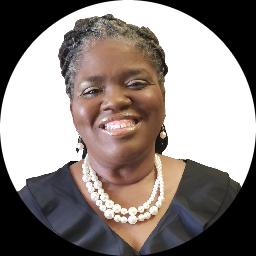
About Shaletha
Shaletha Robinson is a Licensed Professional Counselor (LPC) working in Texas. She focuses on helping people who feel overwhelmed by stress, anxiety, grief, low self-esteem, or the effects of trauma. Her style is warm and straightforward, aimed at making it easier to talk about hard things and take the next step toward feeling better.
She creates a calm, nonjudgmental space where clients can name what’s going on and test out new ways of handling it.
Background and approach
Sessions move at the client’s pace and focus on practical steps as well as understanding feelings. The goal is clearer thinking and more useful coping habits that fit everyday life. Robinson draws on client-centered methods to keep the conversation grounded in each person’s needs.
She also uses cognitive behavioral techniques to help people notice unhelpful thoughts and try alternatives. For those affected by painful memories, she includes EMDR to process traumatic material when appropriate. With four years of professional experience, she has worked with a range of concerns tied to emotion, identity, and life transitions.
Additional focus areas include aging and geriatric issues, communication problems, feelings of emptiness, and issues around guilt, shame, and forgiveness. Sessions are conducted in English and are available through several online formats. She encourages a collaborative approach so clients can set goals and try methods that fit their values and daily routines.
How therapeutic approaches fit into online care
Many clients benefit from a client-centered approach, which keeps the conversation focused on their priorities and lived experience and helps build trust and direction in the work. Cognitive Behavioral Therapy, or CBT, offers hands-on tools to spot unhelpful thoughts and try different behaviors that lead to better mood and function. Eye Movement Desensitization and Reprocessing, known as EMDR, is used to process distressing memories and reduce their emotional intensity when traumatic material is part of someone's history.Choosing a method is a collaborative process. The therapist will listen to goals, try approaches that match those goals, and adjust techniques as needed. Clients and the therapist review what works and change course together if something doesn’t feel helpful.
Online sessions are offered by video calls, phone sessions, live chat, or text-based messaging to make care more flexible. Video allows face-to-face conversation and visual cues. Phone sessions can fit into a work break or be easier when bandwidth is limited. Live chat and text messaging are useful for brief check-ins or when someone prefers typing to speaking. These options help therapy fit into daily life and make it easier to sustain progress over time.
Questions people ask
What concerns does this therapist commonly address?
How would you describe her therapeutic style?
What kind of professional background does she have?
Where is she licensed and based?
Which languages are supported for sessions?
What formats are available for meeting with her?
How are fees and billing handled?
How do I start if I want to work together?
What this counselor works with
Most often
Also listed
Therapeutic approaches
- Experience
- 4 years
- Licensed
- Texas
- Languages
- English