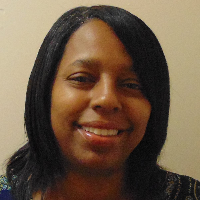
About Sebrina
Sebrina Johnson is a licensed professional counselor with 14 years of experience in human services. She approaches therapy with warmth and a nonjudgmental attitude. Her style is accepting and collaborative, focused on helping people take practical steps toward their goals.
She uses straight talk and steady support to help people manage stress, anxiety, and depression. Sessions often include problem-solving and tools from cognitive behavioral methods to change unhelpful thinking and behavior.
Background and approach
She also draws on client-centered principles to make room for each person's pace and perspective. Her background includes work in residential shelter programs and community mental health settings. That variety means she has experience leading both groups and individual sessions and helping with trauma and addiction concerns.
She aims to meet people where they are and shape the work to their needs. Sebrina helps with relationship and intimacy struggles, grief and loss, anger, career changes, and parenting strains. She also supports people coping with ADHD, bipolar mood concerns, postpartum adjustment, and seasonal mood shifts.
Additional focuses include caregiver stress, feelings of emptiness, and social anxiety. Her sessions mix practical skills and goal-focused planning. She encourages active participation and adjusts techniques to fit each person.
The emphasis is on clear steps people can use between sessions to make daily life feel more manageable.
How these approaches work online
Client-Centered Therapy emphasizes listening and respect. The therapist follows the client's lead and reflects feelings so people feel heard and understood. This works well for building trust and talking through painful experiences.Cognitive Behavioral Therapy (CBT) focuses on spotting thoughts and behaviors that cause distress and testing new ways of responding. It is practical and useful for anxiety, depression, stress, and some relationship patterns.
Emotionally-Focused Therapy (EFT) helps people name emotions and understand how feelings affect interactions and close bonds. It can be helpful for intimacy issues, grief, and repairing connection.
Finding the right approach is part of the work. The therapist will talk with each person about their needs, goals, and preferences and then choose methods that fit. That decision is collaborative and can change as progress is made.
Online therapy offers flexible ways to connect. Video calls allow face-to-face conversation for deeper dialogue. Phone sessions can be easier when bandwidth is limited or a quick check-in is needed. Live chat and text-based messaging suit short updates, scheduling, or ongoing support between sessions. These options make it easier to fit therapy into busy days and changing routines.
Questions people ask
What concerns does she help with?
What is her therapeutic style like?
How much experience does she have?
What credentials and region are listed?
Which languages and international clients are supported?
In what formats are sessions available?
How does payment and cost work?
What are the steps to get started?
What this counselor works with
Most often
- Stress, Anxiety
- Family conflicts
- Parenting issues
Also listed
- Addictions
- ADHD
- Aging and geriatric issues
- Anger management
- Antisocial personality
- Bipolar disorder
- Career difficulties
- Caregiver issues and stress
- Compassion fatigue
- Coping with life changes
- Depression
- Emptiness
- Family problems
- Grief
- Guilt and shame
- Intellectual disability
- Intimacy-related issues
- Isolation / loneliness
- Jealousy
- Post-traumatic stress
- Postpartum depression
- Pregnancy and childbirth
- Relationship issues
- Seasonal Affective Disorder (SAD)
- Self esteem
- Self-love
- Social anxiety and phobia
- Trauma and abuse
- Women's issues
- Young adult issues
Therapeutic approaches
- Experience
- 14 years
- Licensed
- Michigan
- Languages
- English