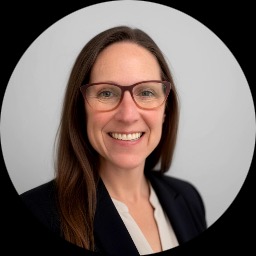
About Sarah
Sarah Freeman is a licensed clinician with 19 years of experience helping people manage heavy life moments. She supports those dealing with stress, anxiety, addiction, trauma, grief, and major life changes. Her style is direct and compassionate, aimed at making progress feel achievable one step at a time.
She focuses on practical skills people can use between sessions. That can mean learning ways to reduce anxiety, building routines that support recovery, or developing tools to cope after a loss.
Background and approach
She emphasizes steady progress rather than quick fixes. In sessions she listens for patterns that shape people’s reactions, such as attachment wounds, family of origin issues, or longstanding communication problems. From there she helps clients try different strategies to change those patterns and find clearer choices in relationships and daily life.
Her background includes work with addiction, trauma and abuse, and complex grief. She draws on nearly two decades of clinical experience in Kentucky to guide treatment decisions and tailor support to each person’s situation. Her KY LPCC credential is part of that background.
Sarah aims to create a space where clients can speak honestly and test new ways of coping. She encourages gradual behavior changes, realistic goal-setting, and building routines that hold up when life gets hard. The focus is on usable tools and steady improvement rather than labels or formulas.
How therapeutic approaches translate online
Two evidence-based directions often used are skills-based work and trauma-informed care. Skills-based work teaches concrete tools for managing anxiety, cravings, or overwhelming emotions so clients can practice them between sessions. Trauma-informed care focuses on building safety and pacing change so people can process difficult events without getting overwhelmed.Another common direction is grief-focused support, which helps people name loss, manage strong feelings, and find ways to reestablish routines and meaning. Each approach is straightforward and aimed at making daily life easier, not at labels or quick fixes.
Finding the right approach is a collaborative process. The therapist will talk with each person about goals, preferences, and what’s felt helpful in the past. Together they choose methods to try, check progress, and adjust the plan when needed.
Online sessions are offered by video calls, phone sessions, live chat, or text-based messaging to fit different schedules and needs. Video is useful for deeper conversations and reading visual cues, phone calls work well when bandwidth is limited or for a focused check-in, and messaging supports quick check-ins or ongoing encouragement. These options make it easier to keep therapy consistent around work, family commitments, or travel.
Questions people ask
What kinds of problems does she help with?
What is her therapeutic style like?
How much experience does she have?
Where is she licensed and located?
Which languages are sessions offered in?
What session formats are available?
How does pricing work?
How do I begin working with her?
What this counselor works with
Also listed
- Abandonment
- Adoption and foster care
- Aging and geriatric issues
- Attachment issues
- Co-morbidity
- Codependency
- Commitment issues
- Communication problems
- Coping with life changes
- Coping with natural or human-caused disaster
- Dependent personality
- Divorce and separation
- Drug and alcohol addiction
- Emptiness
- Family of origin issues
- Family problems
- First responder issues
- Grief
- Guilt and shame
- Hospice and end-of-life counseling
- Life purpose
- Midlife crisis
- Narcissism
- Personality disorders
- Post-traumatic stress
- Pregnancy and childbirth
- Process addiction (porn, exercise, gambling)
- Seasonal Affective Disorder (SAD)
- Self-love
- Somatization
- Traumatic brain injury
- Veteran and Armed Forces Issues
- Women's issues
- Workplace issues
- Experience
- 19 years
- Licensed
- Kentucky
- Languages
- English