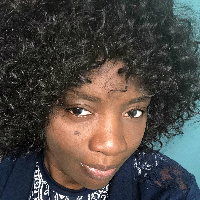
About Rhoda
Rhoda Anang has been practicing therapy in Oklahoma for 11 years. She holds an LPC, and much of her recent work has been as an acute adolescent therapist. She has delivered individual, group, and family therapy in psychiatric settings and has experience with clients across the lifespan.
Her day-to-day style is interactive and open-minded. She listens first, then helps people set clear, manageable goals. Sessions tend to be straightforward and practical with time to talk through emotions and to try new ways of coping.
Background and approach
Rhoda often uses cognitive behavioral methods to help people change unhelpful thoughts and behaviors. She also draws on client-centered, solution-focused, motivational interviewing, and trauma-focused techniques depending on what a person needs. This flexibility helps when concerns shift over time.
She has worked with a wide range of issues including anxiety, depression, trauma and abuse, grief, self-esteem, and mood disorders. She also supports people facing relationship or parenting stress, intimacy concerns, and challenges tied to identity such as LGBT-related issues. Rhoda speaks English and Hausa.
Her prior roles included work with adolescents ages 12 to 17 and with other age groups, including older adults. That experience informs her approach to crises, mood regulation, and patterns that repeat within families. People who come to her can expect a respectful, culturally aware clinician who focuses on practical next steps.
She aims to collaborate on goals and to use tools that fit each person’s life.
How Rhoda uses common approaches in online therapy
Rhoda often uses cognitive behavioral therapy to help people identify unhelpful thoughts and change patterns that keep problems going. CBT works well for anxiety, depression, mood shifts, and reactions after trauma by breaking issues into specific thoughts and behaviors to address.She also uses trauma-focused methods when past hurt or abuse affects daily life. These approaches focus on processing traumatic events and building coping skills so triggers cause less disruption. Motivational interviewing may appear in sessions to help people find their own reasons to make changes and to build momentum toward goals.
Choosing the right approach is part of the work together. The therapist will talk with each person about their goals, preferences, and what feels most useful. Then she adapts techniques over time so sessions stay practical and relevant.
Online formats include video calls, phone sessions, live chat, and text-based messaging to fit different needs. Video lets people read expressions and hold a fuller conversation. Phone sessions need less bandwidth and can be a good check-in. Live chat or text messaging can work for brief updates, faster check-ins, or when typing helps someone express themselves. These options make it easier to fit therapy into busy schedules and to keep progress moving between appointments.
Questions people ask
What concerns does Rhoda commonly help with?
What is her therapeutic style like?
What background does she bring to sessions?
What credentials and location are listed?
Which languages can sessions be held in?
What session formats are available?
How is cost handled for sessions?
How do I begin working with her?
What this counselor works with
Most often
Also listed
- Abandonment
- Anger management
- Attachment issues
- Bipolar disorder
- Communication problems
- Coping with life changes
- Depression
- Disruptive Mood Dysregulation Disorder (DMDD)
- Domestic violence
- Family conflicts
- Family problems
- Forgiveness
- Guilt and shame
- Impulsivity
- Intimacy-related issues
- Isolation / loneliness
- LGBT
- Mood disorders
- Parenting issues
- Post-traumatic stress
- Relationship issues
- Self esteem
- Self-harm
- Sexual assault and abuse
- Women's issues
- Young adult issues
Therapeutic approaches
- Experience
- 11 years
- Licensed
- Oklahoma
- Languages
- English, Hausa