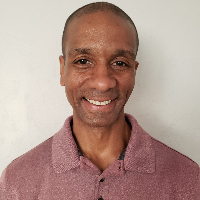
About Reggie
Reggie Thirus greets people who are ready for change with a calm, practical presence. He focuses on helping individuals manage stress, anxiety, depression, grief, relationship and intimacy concerns, addiction, ADHD, career strain, and major life transitions. Reggie uses straightforward conversation to make the first steps feel doable and clear.
He brings six years as a Licensed Professional Counselor - LPC - and more than a decade in helping roles to each session.
Background and approach
Reggie aims to create goals that match a person’s needs rather than using a one-size-fits-all plan. Sessions emphasize understanding what matters most to the client and building workable steps forward. Reggie draws from client-centered methods to put the person’s experience at the center of the work.
He also uses cognitive behavioral techniques to spot patterns in thoughts and behaviors and to test small changes. Psychodynamic ideas are used when looking at how past experiences shape current feelings and reactions. People can expect a relaxed, inclusive tone in sessions.
Reggie pays attention to identity-related concerns such as LGBT and gender dysphoria, as well as issues tied to family of origin, communication, and intimacy. He discusses options like coaching for practical life goals alongside therapy when that fits. Outside the office he enjoys workouts, walks, good food, and music.
That steady, everyday perspective carries over into sessions, where small choices add up to measurable change.
Approaches and online options for steady progress
Reggie uses client-centered therapy to make sessions about the individual's experience and priorities. That approach focuses on listening and responding so goals reflect what matters in the client's life. Cognitive behavioral therapy, or CBT, helps identify unhelpful thinking and behavior patterns and tests small changes to reduce symptoms like anxiety or depression. Psychodynamic ideas are used selectively to look at how past relationships and events influence current feelings and reactions, which can help with long-standing patterns.Finding the right approach is part of the work together. Reggie collaborates with each person to choose methods that match their needs, goals, and preferences. He adapts based on what proves most useful during early sessions and over time.
Online therapy options include video calls, phone sessions, live chat, and text-based messaging to offer flexibility. Video calls are useful for full conversations when visual cues matter. Phone sessions can be shorter check-ins or better when bandwidth is limited. Live chat and messaging support quick check-ins, ongoing reflection, or practical coaching between longer sessions. These formats help people fit therapy into busy lives and maintain regular contact with a licensed professional.
Questions people ask
What kinds of concerns does this therapist address?
What is the therapeutic style like?
How long has this therapist been practicing?
Where is the therapist licensed and located?
Which languages and international options are available?
What session formats are offered?
How does cost and billing work?
How do I begin working with this therapist?
What this counselor works with
Most often
- Stress, Anxiety
- LGBT
- Family conflicts
Also listed
- Abandonment
- Addictions
- ADHD
- Aging and geriatric issues
- Anger management
- Antisocial personality
- Autism and Asperger Syndrome
- BDSM, kink, and alternative sex culture
- Bipolar disorder
- Blended family issues
- Career difficulties
- Co-morbidity
- Coaching
- Communication problems
- Coping with life changes
- Depression
- Drug and alcohol addiction
- Family of origin issues
- Family problems
- Gender dysphoria
- Grief
- Guilt and shame
- Impulsivity
- Infidelity
- Intimacy-related issues
- Life purpose
- Men's issues
- Multicultural concerns
- Narcissism
- Parenting issues
- Polyamory / non-monogamous relationships
- Post-traumatic stress
- Prejudice and discrimination
- Relationship issues
- Self esteem
- Self-harm
- Sexual dysfunction
- Sexuality
- Trauma and abuse
- Workplace issues
- Young adult issues
Therapeutic approaches
- Experience
- 6 years
- Licensed
- Wisconsin
- Languages
- English