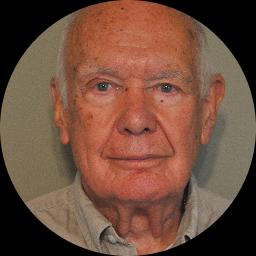
About Paul
Paul D. Wess is a licensed counselor who brings three decades of clinical experience to people feeling stuck by stress, anxiety, mood swings, addiction, or the fallout of trauma. He uses straightforward language and a calm presence to help people make sense of painful emotions and confusing patterns.
Paul holds an LPCC in Ohio and offers work that aims for clearer thinking and steadier days. He has master’s degrees in psychology and sociology and completed advanced post-master’s study through a Certificate of Advanced Graduate Study (C.A.G.S.).
Background and approach
Those studies inform a broad view of human development and behavior. Paul draws on that background when he helps people understand how past experiences still shape daily life. In sessions he pays attention to body sensations, thoughts, feelings, and values.
He focuses on practical steps people can try between meetings. Paul values plain talk and tangible skills so clients can notice real shifts in mood and relationships. People often come for help with anxiety, depression, trauma, grief, addictions, and relationship struggles.
He also addresses issues like shame, isolation, communication problems, and questions about purpose and masculinity. Treatment is tailored to where each person is starting and what they hope to change. Paul provides services in English and Estonian.
He works with people in Ohio and does not accept international clients. Online options include video calls, phone sessions, live chat, and text-based messaging to fit different routines and needs.
Approach-Focused Online Therapy
Paul commonly draws on Acceptance and Commitment Therapy (ACT) and Cognitive Behavioral Therapy (CBT) when working remotely. ACT helps people notice what matters to them, accept difficult feelings, and take small steps toward a valued life; it often helps with anxiety, avoidance, and feeling stuck. CBT looks at the links between thoughts, feelings, and actions and teaches concrete skills to change unhelpful thinking and behavior, which can ease depression and panic.Finding the right approach is part of the work together. Paul treats the choice as collaborative and will discuss which methods fit a person’s goals, daily routine, and comfort with different techniques. He adapts methods over time so they match progress and changing needs.
Online therapy gives practical flexibility. Video calls let people use visual cues and hold deeper conversations. Phone sessions work when bandwidth is limited or when someone prefers not to be on camera. Live chat and text-based messaging are useful for quick check-ins, coaching-style support, or when a shorter touchpoint fits a busy day. These options make it easier to fit sessions into work, family, or personal schedules while using ACT and CBT tools in everyday life.
Questions people ask
What concerns does Paul commonly address?
How would you describe his therapy style?
What is his background and experience?
What credential does he hold and where does he practice?
Which languages are available for sessions?
Can people outside the U.S. work with him?
What session formats are offered?
How are sessions paid for and how do I begin?
What this counselor works with
Most often
- Stress, Anxiety
- Trauma and abuse
- Anger management
Also listed
- Abandonment
- Addictions
- Attachment issues
- Bipolar disorder
- Coaching
- Communication problems
- Compassion fatigue
- Control issues
- Coping with life changes
- Depression
- Family conflicts
- Forgiveness
- Grief
- Guilt and shame
- Impulsivity
- Intimacy-related issues
- Isolation / loneliness
- Life purpose
- Men's issues
- Mood disorders
- Panic disorder and panic attacks
- Post-traumatic stress
- Relationship issues
- Self esteem
- Self-love
- Sexuality
- Social anxiety and phobia
Therapeutic approaches
- Experience
- 30 years
- Licensed
- Ohio
- Languages
- English, Estonian