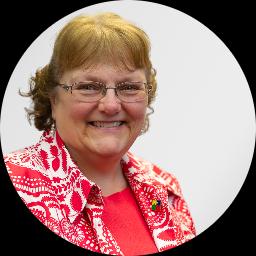
About Patricia
Patricia Owens is a licensed professional counselor in Virginia with more than three decades of experience in mental health care. She focuses on helping people manage stress, anxiety, grief, trauma and depression. Her approach aims to make the first steps of reaching out feel less overwhelming and more manageable.
She centers conversations on each person's needs and background. Patricia listens first, then helps shape a plan that fits daily life and personal goals.
Background and approach
She uses straightforward language and practical steps so clients can try changes between sessions. Patricia blends several approaches to match what a person is facing. She draws on client-centered methods to follow the client's lead, cognitive behavioral ideas to identify unhelpful thoughts and behaviors, and trauma-informed techniques when past events shape current distress.
Mindfulness and existential perspectives also appear when exploring meaning, purpose, and present-moment coping. Over her career she has supported people dealing with abandonment, family of origin struggles, caregiver stress, chronic illness and pain, and issues tied to aging and major life transitions. She also helps with feelings of emptiness, shame or isolation and practical communication problems.
Sessions are available in English and can be arranged across several formats to fit schedules. Patricia aims to meet people where they are and help them take small, workable steps toward clearer thinking and steadier coping.
Approaches that translate to online care
Client-centered work focuses on the person first and helps shape sessions around what matters most to them. It is helpful when someone wants a therapist who listens closely and follows their pace. Cognitive Behavioral Therapy, or CBT, looks at how thoughts and actions affect mood and teaches practical skills for changing patterns. It helps with anxiety, depression, and everyday stressors. Trauma-focused techniques attend to the ways past hurt affects current life and offer structured ways to reduce its impact while building coping skills.Finding the right approach is a collaborative process. The therapist will work with each person to choose or combine methods based on their goals, symptoms, and what feels comfortable. That means trying a few things, checking how they work, and adjusting the plan over time so it fits day-to-day needs.
Online sessions make it easier to fit therapy into a busy life. Video calls allow face-to-face work from a chosen location, phone sessions can be quicker and need less bandwidth, and live chat or text-based messaging suit short check-ins or people who prefer typing. These options offer flexibility for appointments, follow-ups, and steady support between sessions.
Questions people ask
What concerns does Patricia help with?
What is her style in sessions?
How much experience does she have?
Where is she licensed and located?
Which languages are available for sessions?
What session formats are offered?
How is cost handled?
How do I begin working with her?
What this counselor works with
Most often
Also listed
- Abandonment
- Aging and geriatric issues
- Cancer
- Caregiver issues and stress
- Chronic pain, illness, and disability
- Codependency
- Communication problems
- Coping with life changes
- Depression
- Emptiness
- Family of origin issues
- First responder issues
- Forgiveness
- Guilt and shame
- Isolation / loneliness
- Life purpose
- Midlife crisis
- Mood disorders
- Panic disorder and panic attacks
- Phobias
- Post-traumatic stress
- Postpartum depression
- Pregnancy and childbirth
- Seasonal Affective Disorder (SAD)
- Self-love
- Social anxiety and phobia
- Women's issues
Therapeutic approaches
- Experience
- 32 years
- Licensed
- Virginia
- Languages
- English