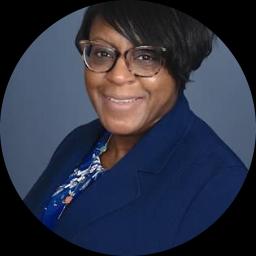
About Pamela
Pamela Smith-Graham is a Licensed Professional Counselor (LPC) practicing in Virginia. She draws on six years of clinical work to help people who are coping with stress, anxiety, grief, depression, addictions, and relationship concerns. She aims to make the first step into counseling feel manageable and straightforward for people who are worried or overwhelmed.
Her style is warm and practical. She creates an open space where clients can talk about difficult feelings without judgment.
Background and approach
Sessions focus on real-life skills and small changes that make daily life easier. Pamela uses a mix of approaches that fit each person's needs. She leans on client-centered methods to make sure clients feel heard.
She also uses cognitive behavioral techniques to help change unhelpful thoughts and behaviors. She includes elements of mindfulness and motivational interviewing when they suit the situation. Those tools help with managing stress, building self-compassion, and staying motivated through change.
Pamela works with a wide range of concerns, including body image, caregiver stress, panic, post-traumatic stress, and issues around sexuality and self-esteem. Pamela aims to collaborate on clear, attainable goals. She helps people break problems down into steps and practices new ways of coping.
Her approach is straightforward, actionable, and focused on what clients want to change next.
Therapeutic approaches for online care
Pamela often blends client-centered work with cognitive behavioral therapy to help people handle daily stress and persistent worries. Client-centered work focuses on listening and reflecting so clients feel understood, while cognitive behavioral therapy helps identify and change unhelpful thoughts and behaviors that keep problems going.She also uses dialectical behavior therapy skills when emotions feel overwhelming. DBT techniques teach practical ways to tolerate distress, manage intense feelings, and improve emotional regulation. Together these approaches are useful for anxiety, mood problems, panic, and relationship challenges.
Finding the right mix of methods is part of the process. She collaborates with each person to figure out what fits their goals and preferences. That means trying different tools and adjusting the plan as progress is made.
Online formats include video calls, phone sessions, live chat, and text-based messaging. Video lets people work face-to-face when visual cues help. Phone sessions can be easier when bandwidth is limited or a shorter check-in is needed. Live chat and text messaging are useful for quick check-ins, ongoing coaching, or when writing helps clarify thoughts. These options make scheduling more flexible and help therapy fit into busy lives.
Questions people ask
What concerns does Pamela address?
What is her therapy style like?
How much clinical experience does she have?
Where is she licensed and based?
Which languages are supported for sessions?
What session formats are available?
How are sessions paid for?
How do I begin working with her?
What this counselor works with
Most often
- Stress, Anxiety
- Relationship issues
- Trauma and abuse
Also listed
- Addictions
- ADHD
- Anger management
- Bipolar disorder
- Body image
- Career difficulties
- Caregiver issues and stress
- Coaching
- Communication problems
- Compassion fatigue
- Coping with life changes
- Depression
- Divorce and separation
- Eating disorders
- Family conflicts
- Forgiveness
- Grief
- Guilt and shame
- Intimacy-related issues
- Isolation / loneliness
- LGBT
- Mood disorders
- Panic disorder and panic attacks
- Parenting issues
- Post-traumatic stress
- Self esteem
- Self-love
- Sexuality
- Social anxiety and phobia
- Women's issues
Therapeutic approaches
- Experience
- 6 years
- Licensed
- Virginia
- Languages
- English