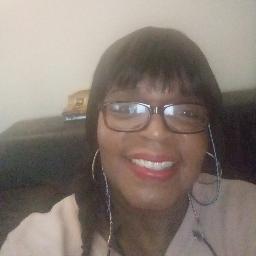
About Myrna
Myrna Pledger brings over two decades of counseling experience to people in Illinois. She holds LCPC - Licensed Clinical Professional Counselor - and has spent many years helping folks navigate anxiety, depression, trauma, relationship trouble, and the stresses of parenting and work. Her style is direct, respectful, and faith-informed when clients want that to be part of care.
She began working in school and community settings, often with children showing aggressive behavior.
Background and approach
That work led her to see how individual struggles usually sit inside a family system. She now helps people untangle patterns that were learned at home or passed down across generations. Myrna focuses on survivors of narcissistic abuse, and she has supported people recovering from physical and emotional trauma.
She also addresses addiction, grief, intimacy issues, anger, and struggles with self-esteem and social anxiety. Her background includes hospice and end-of-life counseling and attention to multicultural and discrimination-related concerns. In sessions she mixes practical skills with values-based discussion.
Cognitive tools are used alongside acceptance work and attention to attachment patterns. She tailors conversations and plans to each person’s needs and beliefs, and will include Christian faith perspectives when that fits the client. Myrna aims for a teaching-centered approach.
She offers clear feedback, real examples of change, and steps people can try between sessions. Her focus is on helping people find safer relationships, steadier mood, and better coping for life’s challenges.
Approaches that guide online counseling
Acceptance and Commitment Therapy (ACT) helps people notice painful thoughts and feelings without getting stuck in them, then choose actions that match what matters most. It can help with anxiety, depression, and motivation when values feel unclear.Attachment-Based Therapy looks at how early relationships shape current patterns. It helps people understand why they repeat familiar dynamics and how to form safer, more connected ways of relating in friendships and partnerships.
Finding the right approach is part of the work. The therapist will discuss goals, life context, and personal beliefs to decide what to prioritize. This is a collaborative process and plans can be adjusted as needs change.
Online sessions offer several practical benefits. Video calls let a therapist and client see each other, which is useful for in-depth conversations. Phone sessions can be easier when bandwidth is limited or when someone prefers not to be on camera. Live chat and text sessions make it possible to check in quickly, fit brief sessions into a busy day, or follow up between longer appointments.
Questions people ask
What kinds of problems does she help with?
What is her therapy style like?
How long has she practiced counseling?
What credentials and location are listed?
Can sessions be conducted in other languages or internationally?
What session formats are available?
How does cost and billing work?
How do I begin working with her?
What this counselor works with
Most often
- Stress, Anxiety
- Relationship issues
- Family conflicts
Also listed
- Addictions
- Anger management
- Avoidant personality
- Career difficulties
- Codependency
- Commitment issues
- Compassion fatigue
- Coping with life changes
- Dependent personality
- Depression
- Grief
- Hospice and end-of-life counseling
- Intimacy-related issues
- Isolation / loneliness
- Multicultural concerns
- Parenting issues
- Personality disorders
- Prejudice and discrimination
- Self esteem
- Self-love
- Sexual assault and abuse
- Social anxiety and phobia
- Trauma and abuse
Therapeutic approaches
- Experience
- 21 years
- Licensed
- Illinois
- Languages
- English