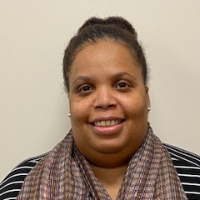
About Michelle
Dr. Michelle Turnbough uses a practical, person-focused approach to help people facing stress, anxiety, addiction, grief, and relationship strain. She brings 13 years of clinical experience and holds the credential LCPC in Illinois.
Her style is warm and goal-oriented, aimed at helping people gain tools and realistic steps to feel better. She combines client-centered care with cognitive behavioral techniques and motivational interviewing. That mix lets her listen closely first, then help people test small changes that add up.
Background and approach
Solution-focused and trauma-informed strategies are also part of her work when dealing with past hurt or sudden life changes. Her background includes long-term roles in social services and clinical leadership, with substantial experience in addiction-related work. She has supported people coping with domestic violence, substance concerns, mood disorders, panic, and post-traumatic stress.
She also helps with parenting stress, workplace issues, self-esteem, and finding life purpose. Sessions focus on clear goals and practical steps. Dr.
Turnbough helps people identify patterns, build coping skills, and practice new responses between sessions. She pays attention to cultural and multicultural concerns and to the emotional impacts of guilt, shame, and isolation. People who want a straightforward plan and a collaborative counselor will find an emphasis on respect and dignity.
The work aims to reduce symptoms and increase daily functioning through achievable strategies. She encourages small, steady changes that can lead to greater confidence and hope.
Approaches that guide online sessions
Client-Centered Therapy focuses on listening and understanding each person's experience. It helps people feel heard and helps the therapist and client set goals together.Cognitive Behavioral Therapy (CBT) looks at how thoughts, feelings, and actions connect. It uses practical exercises to change unhelpful patterns, which can reduce anxiety, depression, and panic symptoms.
Motivational Interviewing helps people find their own reasons to change. It is useful when addressing addictions, ambivalence about change, or decisions about recovery.
Finding the right approach is part of the work. The therapist will collaborate with each person to choose techniques that match their needs, goals, and preferences. That may mean trying one approach for a time and adjusting the plan together.
Online therapy offers flexibility for many lives. Video calls allow face-to-face conversation when visual cues matter. Phone sessions use less bandwidth and can fit a break at work. Live chat and text messaging work well for brief check-ins, notes between sessions, or when typing is easier than speaking. These options make it simpler to maintain steady care and practice skills between meetings.
Questions people ask
What kinds of concerns does this therapist address?
What is the therapist's general approach in sessions?
What experience does she bring to therapy?
What credentials and location are listed for this therapist?
Which languages and international options are available?
What session formats does she offer?
How is cost handled for therapy sessions?
How do I begin working with this therapist?
What this counselor works with
Most often
- Stress, Anxiety
- Addictions
- Parenting issues
Also listed
- Anger management
- Coaching
- Compassion fatigue
- Coping with life changes
- Depression
- Domestic violence
- Drug and alcohol addiction
- Family conflicts
- Forgiveness
- Grief
- Guilt and shame
- Isolation / loneliness
- Life purpose
- Mood disorders
- Multicultural concerns
- Panic disorder and panic attacks
- Post-traumatic stress
- Relationship issues
- Self esteem
- Self-love
- Trauma and abuse
- Workplace issues
- Young adult issues
Therapeutic approaches
- Experience
- 13 years
- Licensed
- Illinois
- Languages
- English