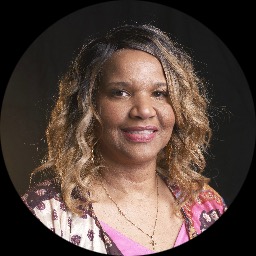
About Michelle
Michelle Spencer is a licensed mental health counselor who helps people manage stress, anxiety, depression, trauma, and relationship concerns. She brings 12 years of experience and a straightforward, respectful approach to sessions. Michelle holds the LMHC and LPCC credentials and practices from Minnesota.
She focuses on practical coping skills people can use between sessions. Conversations are shaped around the client’s immediate concerns, whether that is low self-esteem, career stress, addiction, or difficulty with grief.
Background and approach
Michelle adapts the pace to each person and works to keep goals clear and achievable. Her style centers on honest listening and collaboration. People can expect a calm, nonjudgmental tone and a plan that grows from their values and priorities.
Michelle often blends client-centered work with structured techniques to address thought patterns and behaviors. Common topics she supports include mood disorders, ADHD, compassion fatigue, parenting strain, and issues linked to trauma and post-traumatic stress. She also addresses life purpose, money and workplace problems, and challenges with impulsivity or codependency.
Sessions aim to build skills for everyday life, such as managing strong emotions, improving communication, and reducing avoidance. Michelle emphasizes small, consistent steps that lead to clearer thinking and better functioning. She meets people where they are and helps them move toward goals at a realistic pace.
How evidence-informed methods translate online
Client-centered therapy focuses on building a trusting conversation and following the person’s lead; it helps when someone needs acceptance, clearer priorities, and a plan that fits their life. Cognitive Behavioral Therapy (CBT) targets unhelpful thinking and behavior patterns and offers practical exercises to reduce anxiety, depression, and mood symptoms. Dialectical Behavior Therapy (DBT) teaches concrete skills for managing intense emotions and improving relationships, useful for impulsivity, anger, and mood instability.Deciding which approach to use is collaborative. The therapist will talk with each person about goals, life circumstances, and what methods feel most comfortable. Together they try techniques, review what helps, and adjust the plan so it fits the client’s needs and preferences.
Online sessions offer flexibility in how to connect. Video calls are good when visual cues help the conversation, phone sessions work well when bandwidth is limited or a shorter check-in is needed, and live chat or text messaging suit people who prefer written check-ins or more frequent brief contacts. These options make it easier to fit therapy into busy schedules and keep momentum between sessions.
Questions people ask
What concerns does Michelle commonly address?
What is her general approach in sessions?
How much clinical experience does she have?
Where is she licensed and based?
Which languages are supported for sessions?
What formats are available for online therapy?
How are sessions billed or paid for?
How do I begin working with this therapist?
What this counselor works with
Also listed
- Addictions
- ADHD
- Anger management
- Bipolar disorder
- Career difficulties
- Caregiver issues and stress
- Coaching
- Codependency
- Compassion fatigue
- Coping with life changes
- Depression
- Eating disorders
- Forgiveness
- Grief
- Guilt and shame
- Impulsivity
- Life purpose
- Money and financial issues
- Mood disorders
- Parenting issues
- Post-traumatic stress
- Relationship issues
- Self-love
- Social anxiety and phobia
- Women's issues
- Workplace issues
- Young adult issues
Therapeutic approaches
- Experience
- 12 years
- Licensed
- Minnesota, New York
- Languages
- English