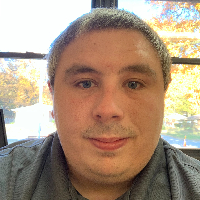
About Michael
Michael Rehg is a Licensed Professional Counselor who focuses on clear, practical care. He uses a person-centered mindset alongside cognitive-behavioral tools to help people manage anxiety, depression, grief, anger, and stress. He practices in Missouri and brings nine years of experience to his work.
Clients find sessions are straightforward and goal-focused. Michael helps people notice how beliefs shape feelings and actions, then practices new ways of responding. He uses short-term strategies when people need relief and deeper conversation when they want to explore patterns that repeat in relationships or parenting.
Background and approach
His background includes work in community mental health and school settings. That experience means he is used to offering one-on-one help, group support, and practical skills for everyday problems. He also addresses trauma, attachment concerns, intimacy and sexuality topics, and issues related to body image and self-esteem.
Meetings mix listening with tools to change thinking and behavior. Techniques may include structured exercises, narrative work to reframe life stories, and steps to process painful memories. Sessions are paced by what each person can handle and what they want to focus on.
People who reach out usually want clearer coping skills, stronger communication, or relief from persistent low mood or anxiety. Michael works with individual adults to set realistic goals and build habits that fit daily life. He aims to support steady progress and practical change.
Using practical therapy approaches online
Client-centered therapy focuses on listening and understanding each person's own goals. In this style the therapist reflects back what matters most and helps people set steps that feel doable, which can be helpful for self-esteem, life transitions, and relationship concerns.Cognitive Behavioral Therapy, or CBT, mixes talking with concrete exercises. It helps identify unhelpful thoughts, test them, and try new behaviors to reduce anxiety or depression symptoms and improve daily functioning.
EMDR is a method some therapists use to help process painful memories by pairing memory work with guided stimulation; it can be useful for trauma-related concerns when someone and the therapist decide it fits the goal of care.
Finding the right approach is part of the work together. The therapist will discuss options, listen to preferences, and tailor techniques based on goals and how someone responds. That collaborative process helps choose whether to focus on short-term solutions, deeper narrative work, or memory processing.
Online therapy offers flexible ways to meet. Video calls are close to face-to-face conversations and allow for visual cues. Phone sessions can be lower bandwidth and easier to fit into a break. Live chat and text messaging support brief check-ins, homework review, or ongoing support between sessions. These options make it easier to maintain continuity of care and practice skills in daily life.
Questions people ask
What kinds of concerns does Michael address?
What is his general therapy style?
What relevant experience does he bring?
What credentials and location apply?
Which languages are supported and can he see international clients?
In what formats are sessions offered?
How does payment and cost work?
How do I begin working with him?
What this counselor works with
Most often
- Family conflicts
- Grief
- Anger management
Also listed
- ADHD
- Attachment issues
- BDSM, kink, and alternative sex culture
- Body image
- Commitment issues
- Communication problems
- Compassion fatigue
- Coping with life changes
- Coping with natural or human-caused disaster
- Depression
- Divorce and separation
- Emptiness
- Family problems
- Fatherhood issues
- Impulsivity
- Intimacy-related issues
- LGBT
- Life purpose
- Men's issues
- Parenting issues
- Relationship issues
- Self esteem
- Self-love
- Sexuality
- Social anxiety and phobia
- Stress, Anxiety
- Trauma and abuse
- Workplace issues
- Young adult issues
Therapeutic approaches
- Experience
- 9 years
- Licensed
- Missouri
- Languages
- English