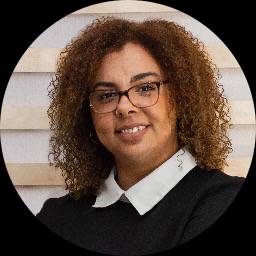
About Micaiah
Micaiah Copeland is a licensed professional counselor clinical counselor (LPCC) practicing in Ohio with six years of experience. She focuses on helping people facing stress, anxiety, trauma and abuse, low self-esteem, depression, and major life changes. Her tone is encouraging and direct, aimed at people who may feel nervous about starting therapy.
She treats each person as the expert on their own life and draws on their strengths during sessions.
Background and approach
She values small steps and practical progress, so sessions often focus on concrete coping skills. Micaiah aims to make the first steps feel manageable and to keep work realistic between appointments. Her background includes hands-on work across common mood and stress concerns.
She has supported people dealing with abandonment and attachment issues, body image concerns, caregiver stress, control and impulsivity problems, and struggles with guilt or forgiveness. This range informs a pragmatic, flexible approach to problem solving. Sessions are built around collaboration.
Micaiah listens first, then offers methods that match a person’s goals and pace. She helps people build confidence, clarify purpose, and manage symptoms so they can handle daily demands more easily. She provides therapy in English for clients located in Ohio.
The practice uses a subscription model for sessions that can be canceled at any time. Getting started involves a short matching questionnaire and scheduling that fits each person’s availability.
Approaches and how online therapy fits into care
Many therapists use evidence-based techniques that focus on practical skill building. One approach emphasizes learning coping skills for anxiety and stress - teaching breathing, pacing, and simple behavioral steps to reduce overwhelm and improve daily functioning. Another common method concentrates on processing trauma and difficult experiences in a paced way so painful memories feel less overwhelming and people regain control over reactions.Choosing the right approach is a collaborative process. The therapist listens to goals and priorities, then suggests techniques that match those needs. Clients and the therapist check progress together and adjust methods as work moves forward.
Online therapy offers flexibility and different ways to connect. Video sessions let people work face-to-face when visual cues help. Phone sessions can be shorter check-ins or fit a break at work and require less bandwidth. Live chat and text-based messaging make it possible to check in between sessions, share quick updates, or use written reflection when typing feels easier. These options help people fit therapy into busy lives and keep continuity even when schedules change.
Questions people ask
What issues does this therapist commonly address?
What is the therapist's approach or style?
How much clinical experience does the therapist have?
What are the therapist's credentials and where are they located?
In which languages are sessions offered?
What session formats are available?
How does pricing and payment work?
How do I begin working with this therapist?
What this counselor works with
Also listed
- Abandonment
- Attachment issues
- Body image
- Caregiver issues and stress
- Control issues
- Coping with life changes
- Depression
- Divorce and separation
- Forgiveness
- Guilt and shame
- Impulsivity
- Isolation / loneliness
- Life purpose
- Men's issues
- Midlife crisis
- Mood disorders
- Narcissism
- Panic disorder and panic attacks
- Post-traumatic stress
- Self-love
- Social anxiety and phobia
- Women's issues
- Workplace issues
- Experience
- 6 years
- Licensed
- Ohio
- Languages
- English