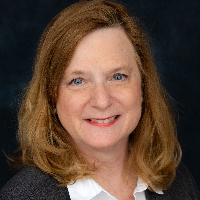
About Mary
Dr. Mary Fawcett is a licensed professional counselor in Minnesota with 25 years of experience in counseling and counselor education. She brings a calm, warm style to sessions and focuses on practical steps people can use to feel steadier.
Her approach aims to meet each person where they are and respect their story. Her background includes long work helping people manage anxiety, depression, grief, stress, and relationship concerns. She also supports clients facing addiction, trauma and abuse, intimacy questions, parenting strain, career transitions, and LGBT-related issues.
Background and approach
Additional areas of focus include aging and geriatric concerns, chronic pain or illness, and multicultural or immigration-related challenges. In sessions she listens first, then helps set clear, manageable goals. She combines client-centered listening with tools from cognitive behavioral therapy and motivational interviewing.
Mindfulness and solution-focused strategies are added when they match a person’s needs. The goal is straightforward: reduce overwhelm and build skills people can use between sessions. Dr.
Fawcett describes her style as supportive, interactive, and nonjudgmental. She avoids labels and centers respect and sensitivity in the conversation. People who prefer a collaborative, practical approach often find this helpful.
She offers several online formats including video calls, phone sessions, live chat, and text-based messaging to fit different schedules. Sessions use a subscription model that can be canceled at any time.
How these approaches translate to online therapy
Client-Centered Therapy focuses on listening and understanding a person's experience. In online sessions this means the therapist follows the client's pace, reflects what is shared, and helps the client clarify goals and values. It is useful for people needing acceptance and a steady space to talk through difficult feelings.Cognitive Behavioral Therapy, or CBT, breaks problems into thoughts, feelings, and actions and teaches practical exercises to change unhelpful patterns. Online CBT sessions often include short homework, thought records, and skill drills that clients can use between meetings to reduce anxiety or low mood.
Finding the right approach is a collaborative process. The therapist will discuss goals and preferences and tailor methods to what fits the person best. That can mean combining listening, CBT tools, mindfulness practices, and motivational techniques rather than relying on a single method.
Online formats offered include video calls, phone sessions, live chat, and text-based messaging. Video works well for in-depth conversations and visual cues, phone can be a simpler option when bandwidth is limited, and live chat or text messaging fit quick check-ins or brief reflections. These options offer flexibility to fit work schedules, caregiving demands, and different comfort levels with being on camera.
Questions people ask
What concerns does this therapist address?
What is her therapeutic style?
How much experience does she have?
What credentials and where is she located?
Which languages are supported?
Are international clients accepted?
What session formats are available?
How are sessions paid for and how do I start?
What this counselor works with
Most often
- Stress, Anxiety
- Relationship issues
- Family conflicts
Also listed
- Addictions
- Aging and geriatric issues
- Career difficulties
- Chronic pain, illness, and disability
- Codependency
- Commitment issues
- Compassion fatigue
- Coping with life changes
- Dependent personality
- Depression
- Divorce and separation
- Emptiness
- Forgiveness
- Grief
- Guilt and shame
- Immigration issues
- Infidelity
- Intimacy-related issues
- LGBT
- Life purpose
- Midlife crisis
- Multicultural concerns
- Parenting issues
- Self esteem
- Self-love
- Sexuality
- Trauma and abuse
- Women's issues
- Workplace issues
Therapeutic approaches
- Experience
- 25 years
- Licensed
- Minnesota
- Languages
- English