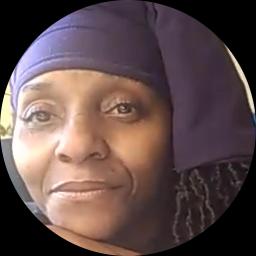
About Makeda
Makeda Kahlein is a licensed professional counselor who brings nine years of clinical experience to her work. She practices from South Carolina and uses a practical, people-focused style. Makeda aims to help clients who are feeling stuck, overwhelmed, or uncertain about next steps.
She draws on a range of therapeutic ideas to match each person's needs. Sessions are conversational and goal-minded. Makeda helps people name what matters, sort through painful memories, and take small steps toward change.
Background and approach
Her background includes an undergraduate degree in psychology and a master's in community counseling with a focus on marriage and family therapy. She is also pursuing a doctorate in counseling education and supervision, which informs her thoughtful approach to care.
Makeda works with many common concerns including stress, anxiety, depression, trauma and abuse, relationship and intimacy issues, addictions, grief, parenting strain, and ADHD. She also helps people dealing with body image, caregiver stress, chronic illness, family of origin matters, and life transitions. Her clinical style blends client-centered listening with narrative and psychodynamic ideas.
Motivational interviewing and existential perspectives shape how she supports motivation and meaning. Sessions tend to focus on understanding patterns, clarifying values, and trying practical steps that fit daily life.
How these approaches work online
Client-Centered Therapy focuses on listening and understanding the person's experience. The therapist reflects what is said and helps people find their own solutions, which can be useful for stress, low self-esteem, and relationship concerns.Motivational Interviewing helps people find internal motivation to change. It uses focused conversation to clarify goals and reduce resistance, which can help with addictions, behavior change, and getting through hard transitions.
Finding the right approach is part of the work together. The therapist will ask about goals, daily routines, and what has or hasn’t helped before. Then she and the client decide which methods to try and adjust them as needed in ongoing sessions.
Online formats give practical flexibility. Video calls allow face-to-face conversation and shared visual cues. Phone sessions use less bandwidth and can fit a break at work. Live chat and text-based messaging make brief check-ins or weekly reflections easier to fit into a busy schedule. These options help people keep therapy consistent while balancing life demands.
Questions people ask
What concerns does this counselor help with?
What is the therapy style like?
How much clinical experience does she have?
What credentials and location are listed?
Are sessions available in other languages or internationally?
Which session formats are offered?
How are fees and subscriptions handled?
What steps should I take to begin therapy?
What this counselor works with
Most often
- Stress, Anxiety
- Relationship issues
- Trauma and abuse
Also listed
- Abandonment
- Addictions
- ADHD
- Adoption and foster care
- Aging and geriatric issues
- Anger management
- Bipolar disorder
- Blended family issues
- Body image
- Career difficulties
- Caregiver issues and stress
- Chronic pain, illness, and disability
- Co-morbidity
- Codependency
- Commitment issues
- Communication problems
- Compassion fatigue
- Coping with life changes
- Depression
- Divorce and separation
- Domestic violence
- Emptiness
- Family conflicts
- Family of origin issues
- Family problems
- Fatherhood issues
- Fertility issues
- Forgiveness
- Gender dysphoria
- Grief
- Hospice and end-of-life counseling
- Infidelity
- Intimacy-related issues
- Jealousy
- LGBT
- Midlife crisis
- Parenting issues
- Postpartum depression
- Pregnancy and childbirth
- Prejudice and discrimination
- Self esteem
- Self-harm
- Sexual assault and abuse
- Sexual dysfunction
- Women's issues
- Workplace issues
Therapeutic approaches
- Experience
- 9 years
- Licensed
- South Carolina
- Languages
- English