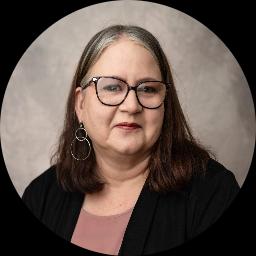
About Laura
Laura Chilson is a Licensed Professional Counselor (LPC) based in Oklahoma. She draws on her background in social services, life coaching, and school counseling to help people facing stress, anxiety, depression, trauma, relationship strain, and parenting challenges. She uses straightforward conversation and practical tools in sessions.
Her goal is to make therapy feel doable. She focuses on small steps that add up to meaningful change. Before earning her LPC, she completed a Master’s Degree in Professional Counseling and accumulated extensive supervised practice hours.
Background and approach
That pathway included passing the National Counselor Exam and hands-on clinical work in a range of mental health settings. Her work includes helping people with grief, sleep problems, addictions, bipolar mood concerns, and coping with major life transitions. She also addresses more specific issues such as abandonment, attachment wounds, blended family dynamics, chronic illness, and communication problems.
In sessions she blends attachment-based ideas with client-centered listening, cognitive-behavioral techniques, dialectical strategies, and mindfulness practices. She adapts those methods to each person’s situation and preferences. Sessions are offered in English and use a subscription model that can be canceled at any time.
The process begins by completing a short matching questionnaire and scheduling according to therapist availability.
Therapeutic approaches for online care
Laura combines attachment-based ideas with cognitive behavioral techniques and mindfulness practices. Attachment-based work looks at how past relationship patterns affect current connections and helps people notice and change those patterns. Cognitive behavioral therapy focuses on practical steps to shift unhelpful thoughts and behaviors, useful for anxiety, depression, and sleep struggles. Mindfulness teaches simple skills to calm racing thoughts and increase present-moment awareness, which can support emotion regulation and stress management.Finding the right approach is part of the process. The therapist will talk with each person about their goals, routines, and what feels most helpful. Together they decide which methods to try and adjust them over time based on progress and preference.
Online formats include video calls, phone sessions, live chat, or text-based messaging to provide flexibility. Video works well for in-depth conversations and exercises that need visual cues. Phone sessions are useful when bandwidth is limited or a quieter setting is easier. Live chat and text sessions make brief check-ins and skill practice easy to fit into a busy day. These options let people connect from different places and create a rhythm of support that matches daily life.
Questions people ask
What concerns does she help with?
What is her therapy style like?
What background does she bring to sessions?
What credentials and location are listed?
Which languages are supported?
How are sessions delivered?
How does payment work?
What are the first steps to start?
What this counselor works with
Most often
- Stress, Anxiety
- Relationship issues
- Trauma and abuse
Also listed
- Abandonment
- Addictions
- Adoption and foster care
- Attachment issues
- Avoidant personality
- Bipolar disorder
- Blended family issues
- Cancer
- Chronic pain, illness, and disability
- Communication problems
- Compassion fatigue
- Control issues
- Coping with life changes
- Depression
- Divorce and separation
- Emptiness
- Family of origin issues
- Family problems
- Forgiveness
- Grief
- Immigration issues
- Impulsivity
- Isolation / loneliness
- Life purpose
- Mood disorders
- Panic disorder and panic attacks
- Parenting issues
- Phobias
- Post-traumatic stress
- Postpartum depression
- Seasonal Affective Disorder (SAD)
- Sleeping disorders
- Social anxiety and phobia
- Women's issues
- Workplace issues
- Young adult issues
Therapeutic approaches
- Experience
- 5 years
- Licensed
- Oklahoma
- Languages
- English