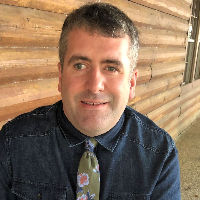
About Lannie
Lannie Cox is a licensed professional counselor who helps people find practical ways forward when life feels stuck. He listens with curiosity and offers clear feedback to uncover small changes that make daily life easier. He uses straightforward conversation rather than gimmicks.
Sessions focus on what’s not working now and on steps a person can try between meetings. He draws on strategies from cognitive behavioral approaches, emotion-focused work, and skills-based methods to tailor plans that fit each person’s situation.
Background and approach
Before counseling, he spent 15 years in corporate communications and public relations. That background shaped his direct style and problem-solving focus. He holds a master’s degree in Clinical Mental Health Counseling from West Texas A&M University and practices in Texas as an LPC - licensed professional counselor.
His experience includes supporting people with stress, anxiety, depression, relationship and family concerns, parenting strains, addictions, trauma and grief. Additional areas include issues like blended family challenges, communication problems, infidelity, and struggles with self-esteem or impulsivity. Sessions aim to be collaborative and goal-oriented.
He encourages practical experiments and skills practice, and he checks in on progress. He also mentions his Seeing Eye dog, Abbott, who sometimes brings a light moment to appointments.
Approaches and online support for real-world problems
He commonly uses Cognitive Behavioral Therapy to help people identify unhelpful thoughts and try new behaviors; this approach is often useful for anxiety, depression, and stress. He also uses Dialectical Behavior Therapy skills to teach concrete tools for regulating strong emotions and improving interpersonal effectiveness when feelings get intense. Emotionally-Focused Therapy methods inform work on relationship patterns and help people notice and change interaction cycles that cause pain.Choosing the right approach is a joint process. The therapist will review goals, symptoms, and personal preferences and suggest methods to try. Together the client and therapist make adjustments as needed so the work stays relevant and practical.
Online sessions are offered by video call, phone, live chat, or text-based messaging to provide flexibility. Video suits in-depth conversations and role-play, phone can be easier when bandwidth is limited, chat or messaging works well for brief check-ins or between-session support, and text lets someone send thoughts when schedules are tight. These options help fit therapy into busy lives and make it easier to maintain progress over time.
Questions people ask
What concerns does this counselor address?
How would you describe his therapeutic style?
What is his professional background?
What credentials and location are listed?
Can I work with him if I live outside the US?
What session formats are available?
How are sessions priced?
How do I begin if I want to try therapy?
What this counselor works with
Most often
- Stress, Anxiety
- Relationship issues
- Family conflicts
Also listed
- Addictions
- ADHD
- Anger management
- Bipolar disorder
- Blended family issues
- Career difficulties
- Coaching
- Commitment issues
- Communication problems
- Compassion fatigue
- Control issues
- Coping with life changes
- Dependent personality
- Depression
- Divorce and separation
- Eating disorders
- Emptiness
- Family of origin issues
- Family problems
- Fatherhood issues
- Fertility issues
- Forgiveness
- Grief
- Guilt and shame
- Impulsivity
- Infidelity
- Intimacy-related issues
- Isolation / loneliness
- Jealousy
- LGBT
- Men's issues
- Midlife crisis
- Money and financial issues
- Narcissism
- Obsessions, compulsions, and OCD
- Panic disorder and panic attacks
- Parenting issues
- Phobias
- Pregnancy and childbirth
- Self esteem
- Sleeping disorders
- Social anxiety and phobia
- Trauma and abuse
- Visually impaired
- Women's issues
- Workplace issues
Therapeutic approaches
- Experience
- 3 years
- Licensed
- Texas
- Languages
- English