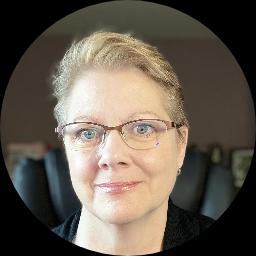
About Joy
Joy Hart is a licensed professional counselor (LPC) in Colorado with 27 years of experience. She helps people who are coping with depression, grief, trauma, and major life changes. Her style is warm and nonjudgmental, with a focus on practical steps people can use between sessions.
She begins by listening to each person’s story and learning what matters most to them. From there she helps set clear, manageable goals. Sessions often focus on building skills for handling guilt, shame, isolation, or overwhelming mood symptoms.
Background and approach
Joy uses proven therapy methods and adapts them to each person’s needs. That can mean looking at unhelpful thinking patterns, practicing mindfulness skills, or working on emotional regulation tools. The aim is to increase resilience and strengthen self-esteem over time.
She also pays attention to more specific struggles such as abandonment, commitment and control issues, and problems that follow disasters or first responder work. When relevant she addresses personality patterns, narcissism, or self-harm concerns with careful, step-by-step planning. Throughout treatment she keeps the focus on what a person can do next.
She helps people identify resources, try workable strategies, and track small changes. The overall goal is clearer coping, less suffering, and a stronger sense of purpose in daily life.
How therapeutic approaches translate to online care
Joy combines client-centered therapy and cognitive behavioral therapy to help people work through emotional pain and change unhelpful thinking. Client-centered work means the therapist listens closely and follows the person’s priorities, aiming to create space for honest reflection. CBT focuses on identifying and testing thoughts and behaviors that keep problems stuck, which can reduce symptoms like low mood or anxiety.She also uses Dialectical Behavior Therapy skills when emotion regulation or crisis coping is needed. DBT skills teach concrete tools for managing strong feelings, improving distress tolerance, and enhancing interpersonal effectiveness. These methods are presented in simple, step-by-step ways that people can practice between sessions.
Finding the right approach is a shared process. The therapist and client talk about goals, try strategies, and adjust plans together. That collaborative planning helps match techniques to what actually feels useful for the person’s life and concerns.
Online formats include video, phone, live chat, and text-based messaging, which offer flexibility for different routines. Video lets people work face-to-face from a distance, phone can be easier when bandwidth is low, and text or chat works for brief check-ins or when writing out thoughts helps. These options make it possible to fit therapy into workdays, caregiving schedules, or times when leaving home is difficult.
Questions people ask
What issues does she commonly address?
What is her therapeutic style?
How much experience does she bring?
What are her credentials and where is she based?
Does she offer services in other languages or to international clients?
Which session formats are available?
How is cost handled for sessions?
What steps are needed to begin therapy?
What this counselor works with
Most often
Also listed
- Abandonment
- Commitment issues
- Control issues
- Coping with life changes
- Coping with natural or human-caused disaster
- Depression
- First responder issues
- Forgiveness
- Gender dysphoria
- Guilt and shame
- Isolation / loneliness
- Life purpose
- Mood disorders
- Narcissism
- Personality disorders
- Post-traumatic stress
- Self-harm
- Sexual assault and abuse
- Social anxiety and phobia
- Women's issues
- Workplace issues
Therapeutic approaches
- Experience
- 27 years
- Licensed
- Colorado
- Languages
- English