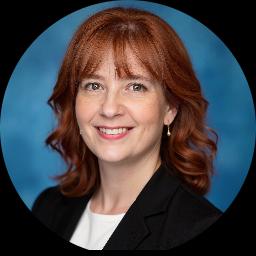
About Jillanne
Jillanne Hecker is a licensed clinician with LPCC and LMHC credentials who supports people facing anxiety, depression, trauma, grief, and life transitions. She brings six years of practical experience and focuses on clear, steady support rather than quick fixes. Sessions aim to reduce overwhelm and build day-to-day coping skills.
Her work centers on helping people regain confidence and cope with change. That can mean working on self-esteem, handling workplace stress, or managing mood swings related to bipolar disorder and depression.
Background and approach
She also helps people address addiction, eating concerns, and compassion fatigue. Hecker uses several evidence-based approaches to guide sessions. Cognitive Behavioral Therapy helps identify unhelpful thoughts and change behaviors.
Mindfulness practices teach simple ways to notice feelings without getting pulled in. For trauma, she may incorporate Eye Movement Desensitization and Reprocessing to reduce distress linked to painful memories. Motivational Interviewing supports people who want to change habits but are unsure where to start.
Dialectical Behavior Therapy tools can help with intense emotions and improving communication. She works with people navigating family problems, relationship struggles, caregiver stress, and the practical fallout of major life events. The therapist pays attention to each person’s background, values, and goals when planning next steps.
How Jillanne’s approaches translate to online care
Jillanne draws from Cognitive Behavioral Therapy to help people spot thought patterns and try small behavior changes that make life easier. CBT is useful for anxiety, depression, and everyday stress because it focuses on concrete steps and measurable goals.She also uses Eye Movement Desensitization and Reprocessing when trauma memories cause ongoing distress. EMDR aims to lessen the intensity of painful memories so they interfere less with daily life. Mindfulness Therapy is another thread in her work and teaches short practices to calm the mind and increase present-moment awareness.
Finding the right approach is part of the process. The therapist will discuss options, listen to the person’s goals, and try methods that fit their needs and preferences. That decision is collaborative and can change as progress is made.
Online sessions offer practical benefits for many people. Video calls allow face-to-face conversation when a visual connection helps. Phone sessions can work when bandwidth is limited or a quicker check-in is needed. Live chat and text-based messaging make it easier to share brief updates, ask questions between meetings, or fit therapy into a busy day.
Questions people ask
What kinds of concerns does Jillanne address?
What is her therapeutic style like?
How much clinical experience does she have?
What credentials does she hold and where is she based?
Which languages are sessions offered in?
What session formats are available?
How does pricing work for sessions?
How do I begin working together?
What this counselor works with
Most often
Also listed
- Addictions
- ADHD
- Aging and geriatric issues
- Bipolar disorder
- Body image
- Career difficulties
- Caregiver issues and stress
- Co-morbidity
- Codependency
- Commitment issues
- Communication problems
- Compassion fatigue
- Coping with life changes
- Coping with natural or human-caused disaster
- Dependent personality
- Depression
- Divorce and separation
- Domestic violence
- Drug and alcohol addiction
- Eating disorders
- Emptiness
- Family conflicts
- Family problems
- Forgiveness
- Guilt and shame
- Isolation / loneliness
- Life purpose
- Midlife crisis
- Money and financial issues
- Mood disorders
- Panic disorder and panic attacks
- Personality disorders
- Phobias
- Post-traumatic stress
- Relationship issues
- Self esteem
- Self-love
- Sexual assault and abuse
- Social anxiety and phobia
- Veteran and Armed Forces Issues
- Workplace issues
Therapeutic approaches
- Experience
- 6 years
- Licensed
- Florida, Ohio
- Languages
- English