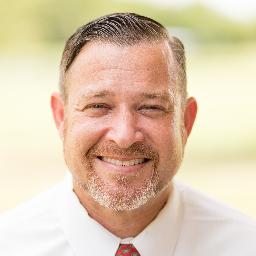
About James
James Liles is a Licensed Professional Counselor who focuses on helping people facing stress, anxiety, relationship strain, addiction, grief, or major life changes. He speaks plainly and aims to create a straightforward space where practical steps come first. James draws on 14 years as an LPC to guide conversations toward clearer choices and small, doable goals.
He uses an eclectic mix of methods to match each person's needs. Sessions often center on talking through current problems, noticing unhelpful thinking patterns, and trying new ways of coping.
Background and approach
James emphasizes building a real connection so clients feel heard and understood before making a plan. Before becoming an LPC he earned degrees in psychology and completed graduate work at the University of Mary Hardin-Baylor. His background includes time in education and work with people impacted by combat trauma while in independent practice in Killeen, Texas.
That variety influences how he tailors help for different concerns. James has also worked in corporate resiliency and life coaching, bringing practical tools for managing stress and improving work-life balance. He values straightforward feedback, steady follow-through, and helping people develop routines that support recovery and growth.
Outside of work he enjoys cooking, exercising, and time with his spouse. Those interests inform his belief in self-care as part of lasting change and his approach of modeling balanced choices.
Approach-driven care for online therapy
James often uses Client-Centered Therapy, which focuses on listening carefully and following the client's lead to build trust and clarity. This approach helps when people need a steady, supportive relationship to sort out feelings and decisions.He also uses Cognitive Behavioral Therapy, a hands-on method that looks at thoughts and behaviors. CBT helps people identify unhelpful thinking, try small behavioral changes, and track progress on issues like anxiety, depression, or sleep problems.
Finding the right approach is part of the work. The therapist will talk with clients about goals and preferences and then try methods that fit. That collaborative process means plans are adjusted as needs change.
Online sessions are offered by video calls, phone sessions, live chat, or text-based messaging to make participation easier. Video calls allow face-to-face conversation; phone sessions can be simpler when video is difficult; live chat and messaging can work for brief check-ins or when someone prefers writing. These options let people fit therapy around work, family, and travel while keeping continuity of care.
Questions people ask
What kinds of concerns does James work with?
What is his general therapy style?
How much clinical experience does he have?
Where is he licensed and based?
Are sessions offered in other languages or internationally?
What session formats are available?
How are sessions paid for and what does it cost?
How do I begin working with him?
What this counselor works with
Most often
- Addictions
- Relationship issues
- Family conflicts
Also listed
- Abandonment
- Attachment issues
- Career difficulties
- Caregiver issues and stress
- Co-morbidity
- Communication problems
- Coping with life changes
- Coping with natural or human-caused disaster
- Depression
- Dissociation
- Divorce and separation
- Drug and alcohol addiction
- Eating disorders
- Emptiness
- Family problems
- Fatherhood issues
- Forgiveness
- Grief
- Guilt and shame
- Impulsivity
- Intimacy-related issues
- Isolation / loneliness
- Life purpose
- Men's issues
- Midlife crisis
- Money and financial issues
- Mood disorders
- Multicultural concerns
- Obsessions, compulsions, and OCD
- Parenting issues
- Post-traumatic stress
- Process addiction (porn, exercise, gambling)
- Seasonal Affective Disorder (SAD)
- Sleeping disorders
- Social anxiety and phobia
- Stress, Anxiety
- Trauma and abuse
- Veteran and Armed Forces Issues
- Workplace issues
Therapeutic approaches
- Experience
- 14 years
- Licensed
- Texas
- Languages
- English