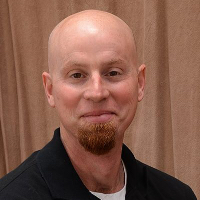
About James
James Gibb is a licensed counselor who focuses on stress, anxiety, anger, and low self-esteem. He helps people facing depression, grief, trauma, and major life changes. His approach is practical and straightforward, aimed at building skills that transfer into everyday life.
He uses clear, simple methods to help people manage strong emotions and difficult thoughts. Sessions emphasize mindfulness, present-moment awareness, and finding actions that match a person’s values. He combines reflective listening with concrete steps to try between meetings.
Background and approach
With 15 years of experience, James brings a range of therapeutic tools to sessions. He uses Acceptance and Commitment Therapy, Client-Centered approaches, existential questions, and solution-focused strategies depending on a person’s needs. He also integrates philosophical ideas when they help clients think about meaning and choices.
James holds LCPC and LPC credentials and practices in Illinois. He offers conversations that balance empathy with practical problem solving. He checks in with clients about what is working and adjusts his approach accordingly.
People who prefer different ways of communicating can choose phone, video, chat, or text-based messaging. International clients who speak English can connect as well. Getting started involves a short questionnaire and scheduling a session that fits the client's timing.
Therapeutic approaches for online care
Acceptance and Commitment Therapy (ACT) helps people notice unhelpful thoughts and choose actions that match personal values rather than getting stuck in avoidance. It is useful for anxiety, depression, and life transitions. Client-Centered Therapy emphasizes a respectful, nonjudgmental relationship where the person’s own goals guide the work and the therapist offers empathy and reflection.Finding the most helpful approach is a collaborative process. James will work with each person to try methods that fit their goals and preferences, and he will adjust strategies based on what is most useful in real life. The aim is to find practical tools that feel meaningful and workable.
Online therapy makes it easier to fit sessions into a busy life. Video calls allow face-to-face conversation, phone sessions can be used when bandwidth is low, live chat supports shorter check-ins, and text messaging works for ongoing reflection between sessions. These options offer flexibility so people can keep momentum and practice new skills in daily routines.
Questions people ask
What concerns does James address?
What is his therapeutic style like?
How much experience does he have?
What credentials and location are listed?
Which languages and international options are available?
What session formats are offered?
How are costs handled?
How do I begin working with him?
What this counselor works with
Most often
- Stress, Anxiety
- Anger management
- Self esteem
Also listed
- ADHD
- Aging and geriatric issues
- Autism and Asperger Syndrome
- Avoidant personality
- Bipolar disorder
- Career difficulties
- Codependency
- Communication problems
- Compassion fatigue
- Control issues
- Coping with life changes
- Dependent personality
- Depression
- Divorce and separation
- Emptiness
- Family conflicts
- Family of origin issues
- Family problems
- Forgiveness
- Grief
- Guilt and shame
- Impulsivity
- Intimacy-related issues
- Isolation / loneliness
- LGBT
- Life purpose
- Panic disorder and panic attacks
- Parenting issues
- Post-traumatic stress
- Process addiction (porn, exercise, gambling)
- Relationship issues
- Seasonal Affective Disorder (SAD)
- Self-love
- Sleeping disorders
- Social anxiety and phobia
- Trauma and abuse
Therapeutic approaches
- Experience
- 15 years
- Licensed
- Illinois, Oregon
- Languages
- English