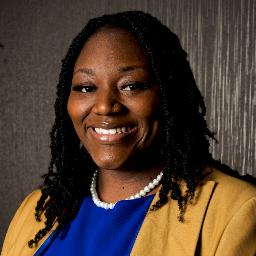
About Gracishone
Gracishone Floyd is a licensed professional counselor in Louisiana who helps people manage stress, anxiety, addiction concerns, trauma and abuse, low self-esteem, and depression. She meets people where they are and supports practical steps toward feeling better. She uses a straightforward, respectful approach that centers the client's perspective.
Gracishone believes clients know their own stories and builds on each person’s strengths. Sessions focus on what matters most to the individual and on small, doable changes that add up over time.
Background and approach
Her practice blends client-centered work with cognitive behavioral tools. That means listening closely, reflecting what matters to the client, and offering specific strategies to change unhelpful thoughts and behaviors. People can expect a mix of supportive conversation and hands-on skills to try between meetings.
Gracishone emphasizes collaboration and encouragement. She frames setbacks as part of progress and helps people practice new habits that reduce anxiety, improve mood, and support recovery from addictive behaviors. She also addresses relationship stressors, communication problems, and issues that come from blended family situations.
With three years of experience as an LPC, she brings a calm and steady presence to the work. Sessions aim to be practical and clear so people can use what they learn in daily life.
Approaches that shape online sessions
Client-Centered Therapy focuses on listening and reflecting what the client says. The therapist follows the client’s lead, helps identify strengths, and supports the client in making choices that feel right for them. This approach is helpful for people working through self-esteem, relationship stress, and life transitions.Cognitive Behavioral Therapy, or CBT, teaches concrete skills for changing unhelpful thoughts and behaviors. Sessions may include tracking thought patterns, testing beliefs, and practicing new actions between meetings. CBT can be useful for anxiety, depression, phobias, and coping with addictive behaviors.
Finding the right approach is a shared process. The therapist will talk with the client about goals, try methods that fit those goals, and adjust the plan together over time. Collaboration helps match techniques to what actually works in a person’s life.
Online formats include video calls, phone sessions, live chat, and text-based messaging, offering flexibility for different needs. Video calls let the therapist and client read facial cues, while phone sessions use less bandwidth and can fit into a busy schedule. Live chat or text-based messaging provides brief check-ins and ongoing support between longer sessions. These options make it easier to attend sessions from varied locations and to pick the format that fits daily life best.
Questions people ask
What concerns does this therapist help with?
How would you describe her therapeutic style?
What background and experience does she have?
What credentials and location are listed?
Which languages are supported for sessions?
What session formats are available online?
How is cost handled for sessions?
How does someone begin working with her?
What this counselor works with
Also listed
- Blended family issues
- Caregiver issues and stress
- Codependency
- Communication problems
- Depression
- Divorce and separation
- Domestic violence
- Family problems
- Isolation / loneliness
- Phobias
- Post-traumatic stress
- Self esteem
- Self-love
- Sexual assault and abuse
- Sexuality
- Social anxiety and phobia
- Veteran and Armed Forces Issues
- Workplace issues
- Young adult issues
Therapeutic approaches
- Experience
- 3 years
- Licensed
- Louisiana
- Languages
- English