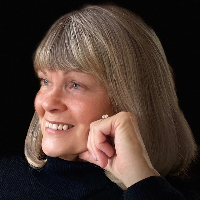
About Georgia
Dr. Georgia Robertson is a Licensed Professional Counselor (LPC) practicing in Colorado with 23 years of clinical experience. She has worked extensively in hospice and oncology settings and runs a independent practice focused on supporting people through major life transitions and loss.
Her background includes roles as a librarian and professor, which shaped her thoughtful, reflective approach. She has a long history in grief counseling and has worked directly with end-of-life care.
Background and approach
Her experience brings practical knowledge about aging, hospice, cancer, and caregiver stress. In sessions she is warm and companionable. She helps people name goals, notice strengths, and try small changes that make daily life easier.
Conversations move at the client’s pace and focus on usable coping skills rather than abstract theory. Her methods draw on Acceptance and Commitment Therapy, Cognitive Behavioral Therapy, and Client-Centered approaches, along with mindfulness and motivational interviewing. She adapts these methods to the person in front of her and to the problem they brought in.
People turn to her for help with grief, trauma and abuse, depression, anxiety, stress, low self-esteem, and compassion fatigue. She also supports concerns around life purpose, isolation, and issues that arise with aging and serious illness. Dr.
Robertson invites clients to tell their stories and work together on practical next steps. She helps people find steadiness during change and loss while building toward a future that feels more manageable.
Approaches that guide online care
Acceptance and Commitment Therapy (ACT) helps people notice difficult thoughts and feelings without getting stuck in them, then clarify values and take small actions toward a meaningful life. It can be useful for grief, anxiety, and life transitions.Cognitive Behavioral Therapy (CBT) focuses on practical strategies to change patterns of thinking and behavior that maintain depression or anxiety. Sessions often include simple exercises to try between meetings and clear steps to reduce distress.
Client-Centered Therapy emphasizes listening and building a trusting, nonjudgmental relationship. That approach helps people feel heard and better able to explore goals and strengths at their own pace.
Choosing an approach is a collaborative process. Dr. Robertson will work with each person to decide which methods fit their goals and comfort level, and she will adjust the plan as needs change. The first few sessions are often about discovering the best mix of techniques.
Online formats make it easier to fit therapy into a busy life. Video calls let people see one another and work in real time, phone sessions use less bandwidth, live chat supports shorter check-ins, and text messaging allows ongoing reflection between sessions. These options give practical flexibility so therapy can happen in ways that suit daily routines.
Questions people ask
What kinds of concerns does she help with?
What is her therapy style like?
How much experience does she bring?
Where does she practice and what are her credentials?
Which languages are supported for sessions?
What session formats are available online?
How does the cost of sessions work?
How do I start working with her?
What this counselor works with
Most often
Also listed
Therapeutic approaches
- Experience
- 23 years
- Licensed
- Colorado
- Languages
- English