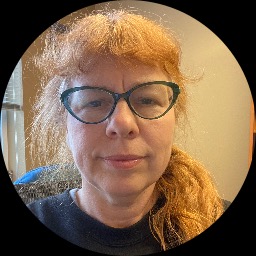
About Dori
Dori Lyon is a licensed professional counselor (LPC) practicing in Oregon with 20 years of clinical experience. She focuses on helping people navigate addiction recovery, depression, trauma, and relationship struggles. Her work also addresses self-esteem, grief, and stress in practical, down-to-earth ways.
She listens first and helps clients find clear next steps. Sessions often focus on improving communication, managing anxiety, and reducing isolation. She also supports people working through issues like infidelity, compulsive behaviors, and anger so they can move toward steadier days.
Background and approach
Dori pays attention to cultural background and how it shapes each person’s story. She offers an accepting space for people exploring non-monogamous or polyamorous relationship structures. The goal is honest, real conversation about what’s getting in the way and what might help.
Her practice includes work on forgiveness, guilt, shame, and building self-love. She helps clients clarify life purpose and cope with compassion fatigue. Practical skills and simple practices are used alongside deeper emotional processing.
Sessions are aimed at people who want to make concrete changes while also processing painful history. Dori keeps language straightforward and grounded. She helps people set realistic goals and practice tools between sessions to support steady progress.
Evidence-based approaches and online care
Many clients benefit from therapies that teach concrete skills for emotion and behavior change. One common method focuses on identifying unhelpful patterns and practicing alternative responses in daily life; it helps with anxiety, obsessive behaviors, and mood swings. Another approach centers on processing past trauma and reducing its hold on present life by gently revisiting distressing memories alongside coping skills to manage strong emotions. These techniques aim to reduce symptoms and improve day-to-day functioning.Finding the right approach is part of the work together. The therapist collaborates with each person to choose methods that fit their goals, needs, and pace. Sessions may combine learning skills, problem-solving, and deeper emotional processing until a good fit is found.
Online formats offer practical flexibility for ongoing care. Video calls make it possible to have face-to-face conversation when visual cues help, while phone sessions can be a good option when bandwidth is limited or a quieter check-in is needed. Live chat and text-based messaging support brief updates, coaching-style check-ins, and follow-up between sessions. These options make it easier to keep therapy consistent around work, caregiving, and daily life.
Questions people ask
What concerns does this therapist commonly address?
How would you describe the therapeutic style here?
What is the therapist's background and experience?
What credentials and location are listed?
Which languages are available for sessions?
What session formats are offered?
How are costs handled for sessions?
What steps should I take to begin working with this therapist?
What this counselor works with
Most often
- Addictions
- Relationship issues
- Trauma and abuse
Also listed
- Anger management
- Bipolar disorder
- Coaching
- Communication problems
- Compassion fatigue
- Depression
- Eating disorders
- Family conflicts
- Forgiveness
- Grief
- Guilt and shame
- Hoarding
- Infidelity
- Intimacy-related issues
- Isolation / loneliness
- Jealousy
- Life purpose
- Multicultural concerns
- Obsessions, compulsions, and OCD
- Paranoia
- Personality disorders
- Polyamory / non-monogamous relationships
- Self esteem
- Self-love
- Social anxiety and phobia
- Stress, Anxiety
- Experience
- 20 years
- Licensed
- Oregon
- Languages
- English