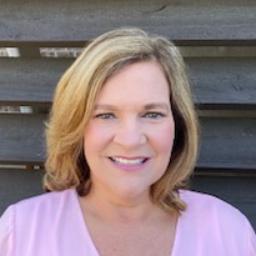
About Donda
Donda Goodson is a Licensed Mental Health Counselor and Licensed Professional Counselor practicing in Alabama. She brings 32 years of experience and works with adults facing stress, anxiety, depression, grief, addiction, and life transitions. She also supports people managing ADHD, bipolar concerns, anger, and parenting strain.
Her approach is straightforward and practical. She uses client-centered methods to listen and build trust, then adds cognitive behavioral strategies to change unhelpful thoughts and routines.
Background and approach
Mindfulness and acceptance ideas are used to help people cope with distressing feelings rather than fight them. Goodson's background includes work in community mental health agencies and independent practice. Her training combines vocational rehabilitation and rehabilitation counseling from Auburn University and the University of Alabama at Birmingham.
That mix shapes a focus on real-world functioning and problem solving. Sessions typically focus on clear, achievable goals. People learn skills for managing panic, mood swings, cravings, or chronic stress.
Parents can get practical coaching for communication and setting boundaries. She aims to make therapy an everyday tool. Conversations are grounded, paced to the person's needs, and focused on steps that can be used between sessions.
The emphasis is on steady progress and workable strategies for daily life.
How therapeutic approaches work online
Donda commonly uses Acceptance and Commitment Therapy and Cognitive Behavioral Therapy in sessions. Acceptance and Commitment Therapy helps people notice difficult thoughts and take actions that fit their values, which can reduce avoidance and increase meaningful activity. Cognitive Behavioral Therapy focuses on identifying unhelpful thought patterns and testing small behavior changes to reduce anxiety, depression, or cravings.Choosing the right approach is part of the process. The therapist works collaboratively to decide which methods fit a person's goals, needs, and preferences. That might mean starting with skills from CBT, adding mindfulness practices, or emphasizing acceptance and values work depending on how someone responds.
Online formats include video calls, phone sessions, live chat, and text-based messaging to make therapy easier to fit into a week. Video lets people work face to face; phone is useful when bandwidth is limited or a shorter check-in is needed; chat and text are good for ongoing support between sessions. These options help people keep therapy consistent while juggling work, school, or family obligations.
Questions people ask
What concerns does she help with?
What is her general therapy style?
What is her professional background?
Which credentials and region apply?
Can sessions be offered in other languages or outside the U.S.?
What session formats are available?
How is cost handled?
How do I begin therapy with her?
What this counselor works with
Most often
Also listed
- Abandonment
- Addictions
- ADHD
- Adoption and foster care
- Anger management
- Autism and Asperger Syndrome
- Bipolar disorder
- Blended family issues
- Chronic pain, illness, and disability
- Co-morbidity
- Codependency
- Communication problems
- Coping with life changes
- Coping with natural or human-caused disaster
- Depression
- Divorce and separation
- Drug and alcohol addiction
- Emptiness
- Family conflicts
- Family problems
- Fatherhood issues
- First responder issues
- Forgiveness
- Guilt and shame
- Impulsivity
- Infidelity
- Isolation / loneliness
- Mood disorders
- Obsessions, compulsions, and OCD
- Panic disorder and panic attacks
- Parenting issues
- Post-traumatic stress
- Seasonal Affective Disorder (SAD)
- Self esteem
- Self-harm
- Self-love
- Sexual assault and abuse
- Social anxiety and phobia
- Veteran and Armed Forces Issues
Therapeutic approaches
- Experience
- 32 years
- Licensed
- Alabama, Florida, Virginia
- Languages
- English