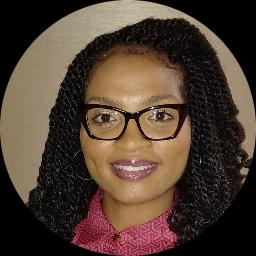
About Dominique
Dominique Oputa is a licensed professional counselor practicing in Pennsylvania. She brings 16 years of experience helping people navigate stress, anxiety, relationship and family concerns. Dominique focuses on practical changes and steady support as people work toward clearer goals.
She centers sessions on each person’s strengths and lived experience. Dominique treats clients as the experts in their own lives and helps them build on skills they already have. Conversations are straightforward and goal-focused, with space for emotional processing and problem solving.
Background and approach
Her work often addresses self-esteem, depression, grief, parenting strain, anger, and coping with life changes. Dominique also supports people facing compassion fatigue, caregiver stress, blended family challenges, and issues around aging or end-of-life care. She brings attention to communication problems, codependency, and fatherhood concerns when they come up.
Dominique uses approaches that help people find clear next steps and notice small shifts. She draws on client-centered methods, cognitive behavioral techniques, motivational interviewing, and solution-focused strategies to tailor sessions. These methods are applied practically to everyday problems, not as abstract theory.
Sessions can include short-term plans or longer work depending on needs. Dominique aims to create an environment where clients feel heard, can try different strategies, and track progress over time.
Approaches that suit online care and everyday life
Client-Centered Therapy focuses on listening and reflecting what matters to the client. It helps people clarify goals and feel understood while deciding what changes to try. Cognitive Behavioral Therapy, or CBT, looks at the connections between thoughts, feelings, and actions and teaches practical skills for managing anxiety, depression, and unhelpful patterns.Finding the right approach is a collaborative process. The therapist will talk with the client about goals, preferences, and what feels workable. Together they choose methods and try them out, adjusting as progress is made or needs shift.
Online sessions use video calls, phone sessions, live chat, or text-based messaging to make counseling more accessible. Video works well for deeper conversations and nonverbal cues. Phone sessions can be easier when someone has limited bandwidth or needs to fit a break into a workday. Live chat and text messaging are useful for brief check-ins, problem solving between sessions, or when writing feels easier than speaking.
Questions people ask
What kinds of concerns does she address?
How would you describe her therapy style?
How much clinical experience does she have?
What credentials and location are listed?
Which languages are sessions offered in?
What session formats are available online?
How does pricing work for sessions?
What are the first steps to begin therapy?
What this counselor works with
Most often
- Stress, Anxiety
- Relationship issues
- Family conflicts
Also listed
- Aging and geriatric issues
- Anger management
- Bipolar disorder
- Blended family issues
- Caregiver issues and stress
- Codependency
- Communication problems
- Compassion fatigue
- Coping with life changes
- Depression
- Family problems
- Fatherhood issues
- Forgiveness
- Grief
- Guilt and shame
- Hospice and end-of-life counseling
- Isolation / loneliness
- Parenting issues
- Pregnancy and childbirth
- Self esteem
- Self-love
- Women's issues
- Young adult issues
Therapeutic approaches
- Experience
- 16 years
- Licensed
- Pennsylvania
- Languages
- English