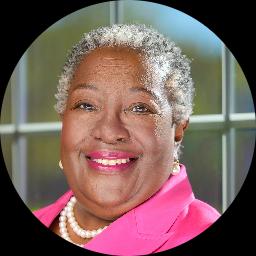
About DeWanna
Dr. DeWanna Greer uses a practical, client-centered approach to help people manage stress, anxiety, grief, and life transitions. She is a Licensed Professional Counselor (LPC) with 16 years of experience and works with adults to improve daily coping and find clearer direction.
Her sessions focus on what matters most to the person in front of her. She listens first, then helps set small, achievable goals. Dr.
Greer draws on cognitive behavioral strategies to notice unhelpful thoughts and try new, healthier responses.
Background and approach
She also uses solution-focused techniques to build on strengths and get quick, usable steps when time and energy are limited. For people processing trauma and loss, she offers trauma-focused methods aimed at reducing distress and improving day-to-day functioning. Dr.
Greer has worked with student veterans and adults from many backgrounds during her career. That experience informs her practical, straightforward style and her focus on problem-solving for work, money, purpose, and caregiver stress. Outside of sessions she enjoys sewing, reading, and travel with her husband.
Those interests shape a calm, down-to-earth presence in the therapy room and a focus on realistic, life-ready tools.
How therapeutic approaches translate to online care
Client-Centered Therapy is about listening and following the person's lead. The therapist focuses on understanding concerns and building goals together, which helps people feel heard and supported during video or phone sessions.Cognitive Behavioral Therapy, or CBT, teaches practical skills to identify and change unhelpful thoughts and behaviors. It often includes short exercises and homework that fit well with messaging, live chat, or video check-ins to practice new skills between sessions.
Finding the right approach is part of the work. The therapist will collaborate with each person to choose methods that fit their needs, goals, and preferences and will adjust the plan as those needs change.
Online therapy offers flexibility for busy schedules and different life demands. Video calls work well for fuller sessions with visual cues, phone sessions can be easier when internet bandwidth is limited, and live chat or text messaging suit quick check-ins, brief problem solving, or people who prefer not to be on camera. These options make it easier to keep continuity of care and practice skills consistently.
Questions people ask
What concerns does she commonly help with?
What is her therapeutic style like?
What is her professional background?
Where is she licensed and based?
Which languages are supported for sessions?
Can she work with clients outside the United States?
What session formats are available?
How are fees and getting started handled?
What this counselor works with
Most often
Also listed
- Aging and geriatric issues
- Blended family issues
- Career difficulties
- Caregiver issues and stress
- Communication problems
- Coping with life changes
- Coping with natural or human-caused disaster
- Fatherhood issues
- First responder issues
- Guilt and shame
- Hospice and end-of-life counseling
- Life purpose
- Money and financial issues
- Post-traumatic stress
- Veteran and Armed Forces Issues
- Women's issues
- Workplace issues
- Young adult issues
Therapeutic approaches
- Experience
- 16 years
- Licensed
- Texas
- Languages
- English