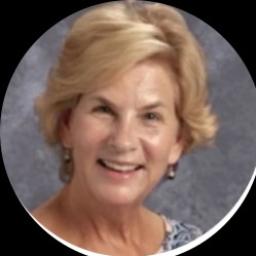
About Deborah
Deborah Boye helps people facing stress, anxiety, depression, grief, trauma, and relationship or intimacy concerns. She is a licensed mental health professional and a licensed professional counselor with 12 years of clinical experience based in Arkansas. Deborah keeps language clear and practical so worried parents can understand what therapy will look like.
Her sessions are focused and down-to-earth. She listens first, then helps people set small, achievable goals. Deborah uses tools that teach coping skills, reduce overwhelm, and improve communication with others.
Background and approach
Sessions move at a pace the client finds comfortable. Deborah draws on approaches such as cognitive behavioral techniques and mindfulness to help change unhelpful thinking and to build everyday habits that reduce anxiety and low mood. She also uses narrative ideas to help people reframe difficult experiences and solution-focused methods to identify practical next steps.
Those methods are adapted to each person’s needs. She has worked with caregivers, older adults, and young professionals on workplace and life transitions, and addresses concerns such as compassion fatigue, caregiving stress, codependency, and life purpose. Deborah also supports people dealing with cancer, aging issues, and the practical strains of caregiving.
Sessions are offered in English and are available through video, phone, chat, or messaging. Deborah helps people build resilience, recover a sense of direction, and improve daily functioning through concrete skills and steady support.
Practical approaches for online therapy
Deborah commonly uses cognitive behavioral techniques and mindfulness as core tools. Cognitive behavioral work focuses on identifying unhelpful thoughts and trying small behavior changes to reduce anxiety and low mood. Mindfulness practices teach simple ways to notice thoughts and bodily reactions so emotions feel less overwhelming.She also draws on narrative and solution-focused ideas to help clients retell difficult experiences and pick clear next steps. Narrative work helps people separate their identity from a painful event, and solution-focused techniques help set short-term, doable goals for change. Finding the right mix is a team effort - the therapist and client decide together which methods fit the person's goals and preferences.
Online formats include video calls, phone sessions, live chat, and text-based messaging. Video is useful for in-depth conversations and visual cues. Phone sessions work well when bandwidth is low or a shorter check-in is needed. Live chat and messaging let people share updates between sessions or check in when a quick adjustment is helpful. These options make it easier to fit therapy into busy family and work routines.
Questions people ask
What kinds of problems does Deborah help with?
How does she approach therapy?
What is her background and experience?
Where is she licensed and based?
Can I work with her if I live outside the United States?
What session formats are available?
How are costs handled for sessions?
How do I begin working with Deborah?
What this counselor works with
Most often
Also listed
- ADHD
- Aging and geriatric issues
- Anger management
- Cancer
- Career difficulties
- Caregiver issues and stress
- Codependency
- Communication problems
- Compassion fatigue
- Coping with life changes
- Depression
- Family conflicts
- Forgiveness
- Guilt and shame
- Intimacy-related issues
- Isolation / loneliness
- Life purpose
- Parenting issues
- Relationship issues
- Self esteem
- Self-love
- Women's issues
- Workplace issues
- Young adult issues
Therapeutic approaches
- Experience
- 12 years
- Licensed
- Nebraska, Arkansas
- Languages
- English