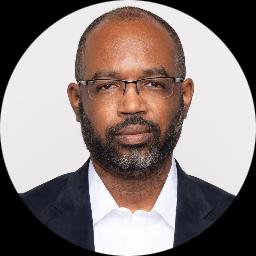
About David
David Thomas offers straightforward, practical support for people feeling stuck, overwhelmed, or uncertain about next steps. He keeps conversations focused and clear so small changes can add up. David aims to help people reconnect with their goals and restore a sense of direction.
He draws on eight years of counseling experience in Michigan and holds the LPC credential, which he uses to guide thoughtful, client-led sessions. In the room he listens for values, strengths, and what matters most to each person.
Background and approach
Sessions move at the client’s pace and emphasize real-world steps that can be tried between meetings. David uses a mix of well-established approaches to fit each person's needs. He helps people spot patterns in their thinking, practice different behaviors, and strengthen motivation to change.
For people impacted by hard experiences, he also offers trauma-focused methods aimed at easing distress and building coping skills. Common concerns he addresses include stress, anxiety, low self-esteem, relationship and communication problems, grief, anger, depression, workplace strain, and issues related to caregiving and first responder stress.
He also supports men navigating identity, fatherhood, and cultural pressures, along with those dealing with isolation or life purpose questions. Expect direct, respectful conversation and practical suggestions you can use between sessions. David frames therapy as a collaborative process where awareness and small actions lead to greater agency and more satisfying daily life.
How David Uses Therapy Methods Online
David commonly combines Client-Centered Therapy with Cognitive Behavioral Therapy to help people sort through feelings and change unhelpful habits. Client-centered work focuses on listening, understanding values, and building a trusting working relationship that lets people speak openly about what matters. CBT helps identify thinking patterns and practice small behavioral experiments that reduce anxiety, lift mood, and improve daily routines.He also draws on Motivational Interviewing when someone feels uncertain about change. That approach helps clarify goals and strengthens a person’s own reasons to take the next step. Together these approaches are chosen to match what a person wants to do and how they prefer to work, and the therapist will collaborate with each client to find the best fit.
Online therapy offers practical flexibility for these methods. Video calls allow face-to-face conversation to notice expressions and try in-session exercises. Phone sessions are useful when bandwidth is limited or a quicker check-in fits the day. Live chat and text-based messaging let people reflect in writing and maintain momentum between sessions. These options make it easier to fit counseling into busy lives while using the same therapeutic tools one would use in person.
Questions people ask
What kinds of problems does he help with?
How would you describe his therapeutic style?
What is his clinical background?
Where does he practice and what credential does he hold?
Which languages are supported for sessions?
Can people outside the United States work with him?
What formats are available for sessions?
How are fees and scheduling handled?
What this counselor works with
Most often
- Stress, Anxiety
- Self esteem
- Career difficulties
Also listed
- Anger management
- Caregiver issues and stress
- Coaching
- Communication problems
- Compassion fatigue
- Coping with life changes
- Depression
- Emptiness
- Fatherhood issues
- First responder issues
- Grief
- Guilt and shame
- Isolation / loneliness
- Life purpose
- Men's issues
- Multicultural concerns
- Post-traumatic stress
- Prejudice and discrimination
- Relationship issues
- Self-love
- Trauma and abuse
- Workplace issues
- Young adult issues
Therapeutic approaches
- Experience
- 8 years
- Licensed
- Michigan
- Languages
- English