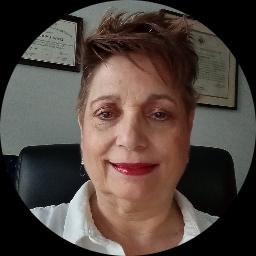
About Cynthia
Cynthia Marcolina is a licensed professional counselor with 35 years of experience helping people navigate stress, anxiety, depression, and relationship or family concerns. She offers calm, direct support for issues like low self-esteem, grief, addiction, anger, bipolar mood challenges, and compassion fatigue. Cynthia also works with people facing life changes, career questions, intimacy-related concerns, and LGBTQ-related matters.
Her style is collaborative and gentle. She invites clients to shape sessions and to try practical tools between meetings.
Background and approach
Cynthia mixes humanistic and existential perspectives with cognitive-behavioral and mindfulness practices. She often suggests short exercises, reading ideas, and creative activities such as drawing to help process feelings. Sessions focus on clearer thinking and stronger self-talk.
Cynthia helps people notice unhelpful patterns, learn brief skills to calm themselves, and find what they can control in difficult situations. She encourages present-moment awareness and working through problems step by step. Her background includes work across a wide range of mental health settings over three and a half decades.
Cynthia has provided individual, group, marital, and family counseling in those roles. She brings practical experience with mood disorders, addiction issues, and trauma-related stress to her sessions. People who want steady guidance and hands-on strategies often find her approach useful.
Cynthia aims to help clients build resilience, improve communication, and reconnect with personal strengths and purpose.
Approaches that fit your life, delivered online
Cynthia commonly blends client-centered methods and cognitive-behavioral techniques in online work. Client-centered Therapy focuses on listening closely and following the person's lead to build trust and clarity, which helps when people feel overwhelmed or unsure about next steps. Cognitive Behavioral Therapy (CBT) breaks worries and mood problems into thoughts, behaviors, and feelings, then teaches concrete skills to shift unhelpful patterns and reduce anxiety or depressive symptoms.Finding the right approach is a collaborative process. Cynthia will talk with each person about goals, preferences, and what feels most useful, then shape sessions around those needs. She encourages trying practical exercises between meetings and adjusts methods based on how the work is going.
Online formats include video calls, phone sessions, live chat, and text-based messaging to increase flexibility. Video sessions let people use visual cues and deeper conversation, phone sessions are useful when bandwidth is limited, live chat can suit quick check-ins, and messaging supports brief updates or ongoing skill practice. These options make it easier to fit therapy into busy days and to keep consistent momentum between sessions.
Questions people ask
What concerns does Cynthia help address?
How would you describe her therapy style?
What background and experience does she bring?
Where is she licensed and based?
Which languages are sessions offered in?
What session formats are available?
How does pricing work?
How do I begin working with Cynthia?
What this counselor works with
Most often
- Stress, Anxiety
- Self esteem
- Career difficulties
Also listed
- Addictions
- Anger management
- Bipolar disorder
- Communication problems
- Compassion fatigue
- Control issues
- Coping with life changes
- Coping with natural or human-caused disaster
- Depression
- Emptiness
- Family conflicts
- Family of origin issues
- Gender dysphoria
- Grief
- Guilt and shame
- Infidelity
- Intimacy-related issues
- LGBT
- Life purpose
- Midlife crisis
- Money and financial issues
- Mood disorders
- Relationship issues
- Self-harm
- Self-love
- Sex addiction
- Sexuality
- Smoking / vaping cessation
- Social anxiety and phobia
- Workplace issues
Therapeutic approaches
- Experience
- 35 years
- Licensed
- Pennsylvania
- Languages
- English