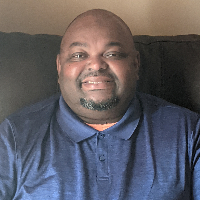
About Clifford
Clifford Hamilton is a Licensed Professional Counselor with 25 years of experience in counseling and psychology. He brings a steady, practical approach to sessions and focuses on helping people manage addiction, trauma, anxiety, and everyday stress. Clifford works in Georgia and offers care in English.
He draws on Cognitive Behavioral Therapy while also using client-centered methods and solution-focused techniques to meet each person where they are. Sessions typically include clear steps, skills practice, and goal-oriented conversations.
Background and approach
Clifford aims to make therapy straightforward and useful. His background includes work with high-risk youth, people facing substance use issues, and individuals with intellectual disabilities. That experience shaped an interest in trauma, grief, anger, and problems with motivation or self-worth.
He also addresses concerns around parenting, career changes, and identity matters. Clifford has supported people through complex family problems, adoption and foster care questions, and caregiver stress. He also focuses on topics such as post-traumatic stress, domestic violence, and disruptive mood challenges.
Many clients come for help with communication issues, jealousy, or finding life purpose. In sessions he blends practical skills from CBT with listening from client-centered work and goal-focused planning. People can expect a collaborative style that emphasizes small, manageable steps.
Therapy is framed around what the person wants to change and how to get there.
Approaches that guide online sessions
Clifford commonly uses Cognitive Behavioral Therapy, Client-Centered Therapy, and Motivational Interviewing in his work. CBT focuses on identifying unhelpful thoughts and learning practical skills to change behavior, which can help with anxiety, addiction, and anger. Client-centered work emphasizes listening and understanding the person’s perspective, creating space for people to talk through difficult feelings and make their own choices. Motivational Interviewing helps people find and strengthen their own reasons to change, and it can be useful for substance use and motivation problems. Finding the right approach is part of the process. Clifford will talk with each person about their goals and preferences and tailor a plan together. That collaborative decision allows techniques to be introduced gradually and adjusted based on what works for the individual. Online formats include video calls, phone sessions, live chat, and text-based messaging. Video calls allow face-to-face conversation and skills practice, while phone sessions can be a good fit when bandwidth is limited or a shorter check-in is needed. Live chat and messaging are helpful for brief updates, processing between sessions, or when someone prefers writing to speaking. These options make therapy more flexible and easier to fit into busy lives.Questions people ask
What kinds of problems does Clifford help with?
What is his style of therapy like?
How much experience does he have?
Where is he licensed and based?
Which languages are offered for sessions?
Can people outside the United States work with him?
What session formats are available?
How do fees and starting therapy work?
What this counselor works with
Most often
- Addictions
- Relationship issues
- Trauma and abuse
Also listed
- Abandonment
- ADHD
- Adoption and foster care
- Anger management
- Career difficulties
- Caregiver issues and stress
- Communication problems
- Coping with life changes
- Disruptive Mood Dysregulation Disorder (DMDD)
- Domestic violence
- Drug and alcohol addiction
- Family conflicts
- Family problems
- Forgiveness
- Grief
- Intellectual disability
- Jealousy
- LGBT
- Life purpose
- Men's issues
- Multicultural concerns
- Parenting issues
- Post-traumatic stress
- Prejudice and discrimination
- Self esteem
- Self-harm
- Stress, Anxiety
- Workplace issues
- Young adult issues
Therapeutic approaches
- Experience
- 25 years
- Licensed
- Georgia
- Languages
- English