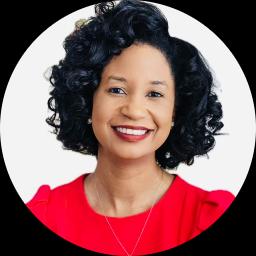
About Brittany
Brittany Bridges creates a calm, welcoming space for people who feel overwhelmed by stress, anxiety, or big life changes. She focuses on straightforward support for issues like depression, low self-esteem, relationship struggles, and addiction. Brittany uses a steady, empathetic manner so clients feel heard and respected from the first session.
She draws on six years of clinical experience in varied settings. That background includes work at a university counseling center and a community mental health clinic.
Background and approach
Those roles involved helping people manage academic pressures, mental health concerns, and substance use challenges. The variety shaped her practical, down-to-earth style. Brittany practices with an emphasis on client-centered care.
She helps people set clear goals and chooses tools that match those goals. She also uses cognitive behavioral techniques to identify unhelpful thoughts and build healthier habits. Motivational interviewing is part of her toolbox when people are trying to change behaviors, especially around substance use or lifestyle shifts.
She includes skills from dialectical behavior therapy when emotions feel intense and coping strategies are needed in the moment. Brittany holds LPC and LCMHC credentials and works from North Carolina. Sessions are offered in English and she focuses on meeting each person where they are.
Her aim is practical progress - small steps that add up to real change over time.
How therapeutic approaches translate to online care
Client-centered therapy focuses on listening closely and following the client's lead. In an online session this looks like asking about what matters most and shaping sessions around personal goals and values. Cognitive Behavioral Therapy, or CBT, helps people spot patterns in thoughts and behaviors and practice alternative responses. CBT online is useful for anxiety, mood issues, and building day-to-day coping skills.Finding the right approach is part of the work. Brittany will collaborate with each person to decide which methods feel most useful and to adjust them over time. The plan is flexible and changes as goals and needs evolve. The therapist and client check in about progress and try different techniques until a good fit emerges.
Online sessions are offered by video calls, phone sessions, live chat, and text-based messaging to make therapy easier to fit into a busy life. Video lets people read nonverbal cues and practice skills in real time. Phone sessions use less bandwidth and can be a simpler option when typing or video won't work. Messaging and live chat allow brief check-ins and ongoing support between sessions. These options aim to increase flexibility and make it easier to keep steady momentum toward your goals.
Questions people ask
What concerns does Brittany often address?
What is her therapeutic style like?
What experience does she bring to sessions?
Where is she licensed and located?
Which languages are supported for sessions?
What session formats are available?
How are costs and billing handled?
How do I begin working with her?
What this counselor works with
Most often
- Stress, Anxiety
- Relationship issues
- Self esteem
Also listed
- Addictions
- ADHD
- Anger management
- Bipolar disorder
- Body image
- Co-morbidity
- Communication problems
- Coping with life changes
- Depression
- Drug and alcohol addiction
- Family conflicts
- Grief
- Life purpose
- Mood disorders
- Multicultural concerns
- Panic disorder and panic attacks
- Post-traumatic stress
- Postpartum depression
- Self-love
- Sexual assault and abuse
- Trauma and abuse
- Women's issues
- Young adult issues
Therapeutic approaches
- Experience
- 6 years
- Licensed
- North Carolina, South Carolina
- Languages
- English