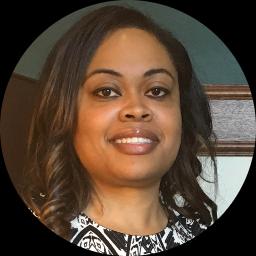
About Bianca
Dr. Bianca Hall uses a warm, person-centered style grounded in practical tools. She is a Licensed Professional Counselor (LPC) in Texas with eight years of experience helping people navigate relationship and family stress.
Her approach is direct and respectful, aimed at making small changes that matter over time. She focuses on relationship and intimacy-related issues, parenting and blended family challenges, and the stress caregivers face. She also supports people dealing with body image, eating concerns, workplace struggles, and career shifts.
Background and approach
Sessions aim to strengthen self-esteem, commitment, and the ability to communicate needs clearly. Clinically, she blends attachment-based ideas with cognitive behavioral techniques and solution-focused work. That means paying attention to how close relationships affect feelings, spotting unhelpful thought patterns, and setting clear, achievable goals.
The work is practical and collaborative rather than long lectures or tests. Bianca has notable experience with adoption and foster care matters, multicultural concerns, fertility and fertility-related stress, and infidelity recovery. She helps people rebuild trust, set boundaries, and find ways to reconnect with their values and goals.
Expect straightforward conversation and concrete next steps. She emphasizes strengths and personal agency. Clients are treated as the experts on their lives while she offers structure, feedback, and tools.
Sessions are intended to feel manageable and focused on progress rather than perfection.
Approaches that guide online sessions
Attachment-based work looks at how close relationships shape feelings and behavior. In online sessions this helps identify patterns in romantic and family connections and find ways to repair trust and increase closeness. Cognitive Behavioral Therapy, or CBT, focuses on spotting unhelpful thoughts and testing them with concrete experiments. It helps with anxiety about relationships, body image worries, and practical changes like improving communication or daily routines. Client-centered therapy emphasizes the client's own goals and strengths and gives space for people to tell their stories. That approach can be calming for someone overwhelmed by choices and helps build confidence over time.Choosing the right approach is a collaborative process. The therapist will discuss goals, try strategies, and adjust the plan based on what works best. Clients have an active role in shaping sessions and deciding which tools to practice between meetings.
Online therapy offers flexible ways to meet. Video calls allow face-to-face conversation and visual connection. Phone sessions work well when bandwidth is limited or a quieter verbal check-in is needed. Live chat and text-based messaging suit shorter check-ins, tracking progress, or getting support between meetings. These options make it easier to fit counseling into a busy life and keep momentum between sessions.
Questions people ask
What kinds of concerns does she help with?
What is her therapeutic style like?
How much clinical experience does she have?
Where is she licensed and based?
Which languages are supported for sessions?
What session formats are available?
How does payment and cost work?
How do I begin working with her?
What this counselor works with
Most often
- Relationship issues
- Family conflicts
- Parenting issues
Also listed
- Adoption and foster care
- Blended family issues
- Body image
- Career difficulties
- Caregiver issues and stress
- Coaching
- Commitment issues
- Compassion fatigue
- Eating disorders
- Family problems
- Fertility issues
- Infidelity
- Intimacy-related issues
- Multicultural concerns
- Self esteem
- Self-love
- Sexuality
- Women's issues
- Workplace issues
- Young adult issues
Therapeutic approaches
- Experience
- 8 years
- Licensed
- Texas
- Languages
- English