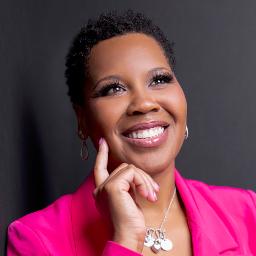
About Ashley
Ashley Mendoza offers straightforward, practical help for people feeling overwhelmed by stress, anxiety, or life changes. She is a licensed professional counselor - LPC - who focuses on making therapy approachable and useful. Her tone is calm and direct, which can help when emotions feel big and options feel unclear.
She guides people through recovery from trauma and abuse by breaking concerns into manageable steps. Sessions are aimed at improving self-esteem, building coping skills, and addressing attachment and communication struggles.
Background and approach
Ashley also supports those navigating pregnancy, postpartum changes, and the emotional aftermath of difficult relationships. Her work draws on evidence-based therapeutic techniques to create a steady structure in sessions. That structure looks like clear goals, practical strategies to try between visits, and regular check-ins on progress.
The emphasis is on real-life changes rather than theory-only conversations. Ashley has eight years of clinical experience and maintains credentials as an LPC and a Licensed Mental Health Counselor - LMHC. She uses that background to shape thoughtful, person-centered care for adults facing transitions, parenting stress, or trauma recovery.
People who choose her often want direct tools for day-to-day stress, clearer communication habits, and a path toward greater self-love and purpose. Conversations with her typically include skill-building, emotional processing, and planning for life after therapy.
How evidence-based techniques translate to online care
Many of Ashley's clients benefit from structured, evidence-based approaches that focus on processing difficult experiences and building new coping skills. Trauma-focused strategies help people name and work through painful memories in gradual steps, which can reduce overwhelming reactions and improve daily functioning.Skills-based work concentrates on learning practical tools for anxiety, stress, and parenting challenges. This includes breathing exercises, communication practice, and simple routines to manage hard days. Attachment-focused conversations look at patterns in close relationships and help people try new ways of connecting and setting boundaries.
Finding the right approach is part of the process and will be decided together. The therapist will talk through goals, try methods that match those goals, and adjust plans based on what feels helpful. This collaborative process helps make sessions relevant and goal-focused rather than one-size-fits-all.
Online therapy offers practical flexibility for many people. Video calls provide face-to-face interaction useful for emotional work, while phone sessions often fit into a busy day or require less bandwidth. Live chat and text-based messaging are helpful for quick check-ins, short progress updates, and ongoing support between longer sessions. These options let people fit therapy into real life and keep momentum toward their goals.
Questions people ask
What concerns does she commonly address?
How would you describe her therapy style?
What is her professional background?
Where does she provide services?
Which languages are sessions offered in?
What formats are available for sessions?
How do costs and billing work?
How do I begin working with her?
What this counselor works with
Most often
- Stress, Anxiety
- Trauma and abuse
- Parenting issues
Also listed
- Experience
- 8 years
- Licensed
- Texas, Florida
- Languages
- English