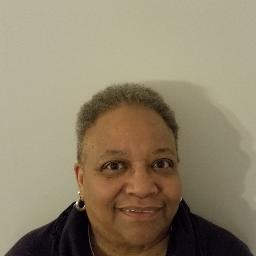
About Annette
Dr. Annette Burns Porter helps people who are feeling overwhelmed by stress, anxiety, grief, mood changes, or addiction. She writes plainly and listens closely to understand what each person wants to change.
Dr. Annette Burns Porter holds an MD and an LCPC and brings 21 years of experience in Maryland to her work. She focuses on building stronger relationships and clearer communication.
In sessions she helps clients identify practical steps to reach personal goals.
Background and approach
Conversations often include coping skills for emotion regulation, tools to manage cravings, and strategies for moving through big life transitions. Her background includes many years in both inpatient and outpatient settings. That variety means she has worked with people at different stages of life and from diverse backgrounds.
She adapts methods to fit the person in front of her rather than pushing a single technique. Her approach blends client-centered listening with evidence-based methods such as cognitive behavioral techniques, acceptance and commitment ideas, mindfulness practices, and dialectical behavior strategies. Sessions are collaborative and paced to match each person’s needs.
People who choose Dr. Porter can expect straightforward conversation, clear goals, and practical homework when it helps. She supports work on relationship and intimacy concerns, coping with loss and change, mood and anxiety challenges, and substance-related problems.
Language of practice is English and her practice is based in Maryland.
Practical approaches for online therapy and healing
Acceptance and Commitment Therapy, or ACT, focuses on helping people notice difficult thoughts and feelings without getting stuck in them, then take small actions that match their values. It can help with anxiety, depression, and life changes by shifting attention toward meaningful steps. Cognitive Behavioral Therapy, or CBT, helps identify unhelpful thoughts and test them with real-life experiments. It is useful for anxiety, mood problems, and patterns that keep people feeling stuck. Client-Centered Therapy emphasizes empathic listening and working at the client's pace to build trust and self-direction; it supports people who need a steady, supportive space to figure things out.Finding the right approach is part of the work together. The therapist will talk with the client about goals and preferences, and then combine methods that make sense for those goals. Decisions about techniques are collaborative and revisited as progress is made.
Online therapy provides flexibility through video calls, phone sessions, live chat, and text-based messaging. Video works well for interactive skill practice and face-to-face conversation. Phone sessions can be a good shorter check-in when bandwidth is limited. Live chat and text messaging suit brief updates, coping reminders, or when writing feels easier than speaking. These options make it easier to fit sessions around work, caregiving, or travel while keeping therapy consistent.
Questions people ask
What issues does she address?
What is her therapy style like?
How long has she been practicing?
What credentials and location are listed?
Which languages are supported?
What session formats does she offer?
How are sessions priced?
How do I begin working with her?
What this counselor works with
Also listed
- Aging and geriatric issues
- Anger management
- Bipolar disorder
- Blended family issues
- Codependency
- Communication problems
- Coping with life changes
- Depression
- Drug and alcohol addiction
- Eating disorders
- Family conflicts
- Grief
- Intimacy-related issues
- LGBT
- Midlife crisis
- Mood disorders
- Post-traumatic stress
- Postpartum depression
- Relationship issues
- Self esteem
- Social anxiety and phobia
- Veteran and Armed Forces Issues
- Women's issues
- Young adult issues
Therapeutic approaches
- Experience
- 21 years
- Licensed
- Maryland
- Languages
- English