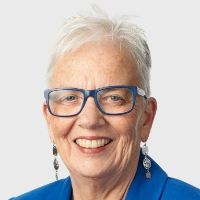
About Anne
Anne Combs is a therapist with four decades of experience who helps people facing stress, anxiety, depression, trauma, relationship problems, addiction, and career challenges. She practices in Ohio and brings a practical, down-to-earth style to sessions. Her credential is LPCC, which indicates a state clinical counseling license.
She focuses on the here and now and helps people find concrete ways to manage day-to-day struggles. Sessions often center on setting small, achievable goals and learning skills that help in real situations.
Background and approach
She uses straightforward techniques from cognitive behavioral approaches and solution-focused methods. Her background includes long experience in clinical supervision and administration, as well as direct therapy. That history informs how she notices communication patterns and interpersonal dynamics.
She also has training in executive coaching and uses that perspective when people bring work or career concerns. Her style is warm, interactive, and sometimes lighthearted. She values effective communication and a bit of humor as tools for change.
People who want practical steps, clearer goals, and help improving how they talk about problems may find this approach useful. In sessions she helps clients set priorities, test new ways of behaving, and practice skills between meetings. The aim is to reduce distress and build usable strategies for coping, whether the problems are short-term or long-standing.
How her approaches translate to online work
Client-Centered Therapy focuses on a respectful, nonjudgmental relationship where the therapist listens closely and helps people find their own answers. It is useful for issues like low self-esteem, grief, and communication problems because it centers the person's experience and priorities.Cognitive Behavioral Therapy (CBT) involves identifying unhelpful thoughts and testing new behaviors. It helps with anxiety, depression, stress, and many day-to-day problems by giving concrete tools to change thinking and routines.
Solution-Focused Therapy targets specific goals and small steps. It works well for people who want quick, practical progress on a single problem or decision, such as a work issue or a communication challenge.
Finding the right approach is a collaborative process. The therapist will talk with each person about their needs, goals, and preferences, then try methods that seem likely to help. Adjustments are made over time so the work stays focused and useful.
Online sessions can be held by video, phone, live chat, or text-based messaging. Video calls are good for fuller conversations and working through exercises together. Phone sessions can fit into a short break or require less bandwidth. Live chat or text are useful for brief check-ins, follow-up questions, or when someone prefers writing. These formats make therapy more flexible and easier to fit into a busy life.
Questions people ask
What concerns does this therapist help with?
What is her therapeutic style like?
How much experience does she have?
What are her credentials and location?
Which languages are sessions offered in?
What session formats are available?
How does cost and billing work?
How do I begin working with this therapist?
What this counselor works with
Also listed
- Addictions
- Aging and geriatric issues
- Attachment issues
- Bipolar disorder
- Blended family issues
- Career difficulties
- Coaching
- Commitment issues
- Communication problems
- Compassion fatigue
- Control issues
- Coping with life changes
- Depression
- Divorce and separation
- Domestic violence
- Family conflicts
- Family of origin issues
- Family problems
- Grief
- Guilt and shame
- Infidelity
- Isolation / loneliness
- LGBT
- Life purpose
- Men's issues
- Midlife crisis
- Mood disorders
- Parenting issues
- Relationship issues
- Seasonal Affective Disorder (SAD)
- Social anxiety and phobia
- Women's issues
- Workplace issues
Therapeutic approaches
- Experience
- 40 years
- Licensed
- Ohio
- Languages
- English