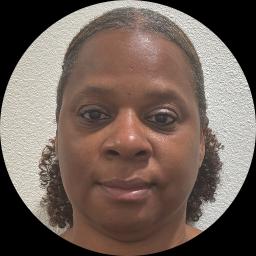
About Angela
Angela Sanders is a Licensed Professional Counselor who brings a practical, steady approach to therapy. She draws on six years of counseling experience and a long background in education and community work to help people sort through life changes and difficult feelings. She focuses on concrete steps people can take to feel more in control and move forward.
Her work often centers on anger, self-esteem, career concerns, and coping with major transitions.
Background and approach
She also supports people dealing with relationship communication, commitment worries, body image, and feelings of emptiness. Sessions aim to identify what matters most to the person and break problems into manageable parts. Angela blends evidence-based techniques with a person-centered attitude.
She listens first, then helps clients try straightforward tools to change thinking or behavior. Homework and quick skill-building exercises are used when they fit a client’s goals. She has experience in public education, nonprofit faith-based programs, and personal counseling settings across Texas.
That range informs a down-to-earth style that values respect and cultural awareness. Angela helps people connect strengths with practical plans. Clients typically leave sessions with clear next steps and skills they can use between meetings.
The aim is steady progress rather than quick fixes. If someone wants guidance on career direction, healthier habits around anger, or finding purpose in midlife, she focuses on small, achievable changes to get there.
Approaches that guide online work and skill building
Angela uses evidence-based therapeutic techniques focused on clear steps and practical skills. One common approach she uses helps people notice unhelpful thinking patterns and try different responses; this is useful for anger, low self-esteem, and career decision stress. Another approach centers on learning specific coping skills and behavior changes to manage strong emotions and life transitions; clients practice short exercises between sessions to build new habits.Choosing the right approach is a collaborative process. The therapist will talk with the client about their goals, try methods that match those goals, and adjust the plan based on what helps. Sessions include checking outcomes and changing techniques if something isn’t working well for the person.
Online therapy offers flexible ways to connect. Video calls let people have a face-to-face conversation when schedules allow. Phone sessions work well for quick check-ins or when bandwidth is limited. Live chat and text-based messaging are useful for brief support, sharing updates, or doing short coaching-style work between longer sessions. These options make it easier to fit counseling into work, family, or school routines.
Questions people ask
What concerns does she help with?
What is her therapeutic style?
How much clinical experience does she have?
What credentials and region are listed?
Which languages are used in sessions?
What session formats are available?
How are costs handled?
How does someone begin working with her?
What this counselor works with
Most often
- Anger management
- Self esteem
- Career difficulties
Also listed
- Aging and geriatric issues
- Avoidant personality
- Blended family issues
- Body image
- Coaching
- Commitment issues
- Communication problems
- Control issues
- Coping with life changes
- Emptiness
- Family problems
- Forgiveness
- Guilt and shame
- Intellectual disability
- Jealousy
- Life purpose
- Midlife crisis
- Multicultural concerns
- Prejudice and discrimination
- Self-love
- Social anxiety and phobia
- Workplace issues
- Young adult issues
- Experience
- 6 years
- Licensed
- Texas
- Languages
- English