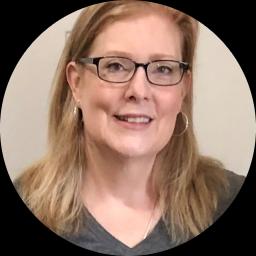
About Angela
Angela Bellinghausen helps people who are feeling overwhelmed by stress, anxiety, depression, grief, or life changes. She also supports people dealing with relationship strain, sleep problems, addictions, trauma and abuse, and low self-esteem. She uses straightforward methods that focus on practical skills.
Sessions often include learning new coping strategies, practicing mindfulness, and trying out different ways of thinking to reduce distress. Angela draws on approaches such as Cognitive Behavioral Therapy, Dialectical Behavior Therapy, Acceptance and Commitment Therapy, and client-centered work.
Background and approach
Angela has three decades of experience in mental health. Her credentials include Licensed Professional Counselor, LPC, and Licensed Independent Mental Health Practitioner, LIMHP. She brings that long experience to simple, real-world help instead of jargon or long lists of diagnoses.
Her style is collaborative and strength-focused. She listens for what matters to each person, then helps build small steps that fit their life. Sessions aim to increase skills people can use between meetings, such as emotion regulation, communication techniques, and routines for better sleep.
People who choose her often want a mix of practical tools and empathetic support. She encourages self-empowerment, gradual change, and attention to overall wellness rather than only labels. Her approach makes room for personal values and real-life needs.
Approaches that translate well to online care
Acceptance and Commitment Therapy, or ACT, focuses on helping people clarify what matters to them and take small steps toward those values while accepting difficult thoughts and feelings. It can be useful for anxiety, depression, and problems with motivation. Cognitive Behavioral Therapy, CBT, looks at how thoughts, feelings, and behaviors connect and teaches practical skills to change unhelpful patterns; it often helps with panic, mood problems, and sleep issues. Client-Centered Therapy emphasizes listening, empathy, and building a trusting relationship so people can find their own solutions and gain confidence.Choosing the right approach is a shared process. The therapist will talk with each person about goals, preferences, and what feels most helpful. Together they adapt methods over time so the work fits the client's life and what they want to achieve.
Online therapy offers flexibility that many people need. Video calls allow face-to-face conversation and demonstrations of skills, phone sessions can work when bandwidth is limited, and live chat or text-based messaging allows brief check-ins and written reminders of new strategies. These options make it easier to fit sessions into busy days, manage symptoms between meetings, and keep steady momentum toward goals.
Questions people ask
What concerns does Angela address?
How would you describe her approach in sessions?
What is her professional background?
Where is she located and what are her credentials?
Which languages are supported?
What session formats are available?
How does payment and cost work?
How do I begin working with her?
What this counselor works with
Most often
Also listed
- Addictions
- Aging and geriatric issues
- Body image
- Communication problems
- Coping with life changes
- Depression
- Eating and food-related issues
- Forgiveness
- Guilt and shame
- Isolation / loneliness
- Life purpose
- Panic disorder and panic attacks
- Relationship issues
- Seasonal Affective Disorder (SAD)
- Self-love
- Sleeping disorders
- Social anxiety and phobia
- Trauma and abuse
- Women's issues
Therapeutic approaches
- Experience
- 30 years
- Licensed
- Nebraska, Colorado
- Languages
- English