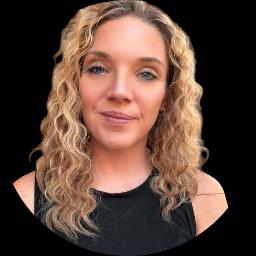
About Andromeda
Andromeda Duncan is a licensed professional counselor with eight years of clinical experience. She practices in Oklahoma and offers calm, direct support for people dealing with stress, anxiety, grief, depression, and anger. She prefers plain conversation and practical steps over clinical jargon.
Andromeda focuses on helping people manage overwhelming feelings and repair strained family connections. She also works with concerns like panic attacks, social anxiety, guilt and shame, and problems rooted in family of origin.
Background and approach
Her background includes hospice and end-of-life counseling and responding to domestic violence issues. In sessions she uses clear, collaborative methods. She listens first, then helps people set small goals.
That might mean identifying unhelpful thoughts, trying new behaviors between sessions, or mapping out short-term steps to relieve distress. Clients can expect a down-to-earth style. Conversations are straightforward and paced to the person’s needs.
She aims to make each session useful and focused on what the client wants to change. Andromeda offers several ways to connect, including video calls, phone sessions, live chat, and text-based messaging. She is available to work with people in English and can meet with international clients when schedules align.
Taking the first step can be hard. She asks clients to complete a short questionnaire and then schedules sessions based on mutual availability. The goal is steady progress toward clearer thinking and better daily functioning.
Using practical approaches in online therapy
Client-Centered Therapy focuses on listening and understanding each person's experience. The therapist follows the person's lead, offers empathy, and helps clarify what matters most to them, which can be useful for grief, depression, and family concerns.Cognitive Behavioral Therapy, or CBT, looks at how thoughts, feelings, and actions connect. It helps people recognize unhelpful thinking patterns and try small behavior changes to reduce anxiety, panic, and low mood.
Solution-Focused Therapy emphasizes short-term goals and immediate steps. Sessions often identify one or two changes to try between meetings and track what helps most with everyday stressors and relationships.
Finding the right fit is part of the process. The therapist will work together with each person to choose an approach based on their needs, goals, and preferences. If one method does not seem to be helping, adjustments are made until the plan feels useful and realistic.
Online formats give practical flexibility. Video calls let people see facial cues and use visual tools for exercises. Phone sessions can be easier when bandwidth is limited or a hands-free check-in is needed. Live chat and text-based messaging are useful for brief check-ins, tracking progress, or getting support between longer sessions. These options make it easier to keep therapy consistent around work, caregiving, or travel.
Questions people ask
What kinds of concerns does she help with?
How would you describe her therapeutic style?
What experience does she bring to sessions?
Where is she licensed and based?
Can I work with her if I live in another country?
What formats are available for sessions?
How are sessions paid for and what do they cost?
How do I get started with therapy?
What this counselor works with
Most often
- Stress, Anxiety
- Family conflicts
- Grief
Also listed
Therapeutic approaches
- Experience
- 8 years
- Licensed
- Arkansas, Oklahoma
- Languages
- English