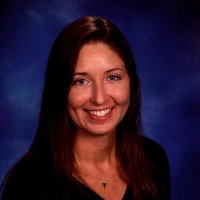
About Amanda
Amanda Crossland offers practical help for people feeling overwhelmed by stress, anxiety, grief, addiction, depression, or big life changes. She writes plainly and listens with a calm, steady presence to help people notice what’s not working and try different ways forward. Amanda is a Licensed Professional Counselor, which she uses alongside conversational, person-focused care.
Her sessions tend to be down-to-earth and goal oriented. She draws on approaches like client-centered work, cognitive behavioral therapy, dialectical behavior therapy, EMDR, and motivational interviewing to match tools to a person’s situation.
Background and approach
The aim is to find manageable changes that make daily life easier, not to rush anyone through hard feelings. Amanda has seven years of clinical experience and practices from Colorado. She blends practical skill with creative thinking, looking at the big picture while helping with concrete next steps.
That can include improving communication, building coping skills, or addressing mood and attention concerns. People come to her for many concerns including relationship and intimacy struggles, anger and self-esteem issues, trauma and abuse, addiction and substance concerns, ADHD, bipolar and other mood disorders, and career or money stress. She also works with themes like abandonment, codependency, dissociation, and family of origin issues.
Sessions are offered in English and use formats like video calls, phone, live chat, and text messaging. Starting is a simple process that begins with a short matching questionnaire and scheduling based on the listed process.
How therapy approaches work online
Amanda uses client-centered methods that prioritize the person’s goals and perspective. This approach focuses on listening, reflecting what matters to the client, and helping people notice their own strengths to guide change.She also uses cognitive behavioral therapy, which looks at how thoughts, feelings, and actions connect. CBT offers straightforward exercises to test unhelpful thinking and build practical coping skills for anxiety, depression, and mood concerns.
Finding the right approach is part of the work together. The therapist will collaborate with each person to choose methods that fit their goals, comfort level, and the issues they bring. That decision can shift over time as needs change.
Online formats include video calls, phone sessions, live chat, and text-based messaging. Video lets people have a face-to-face conversation and use visual cues. Phone sessions can be a good option when bandwidth is limited or a quieter check-in is needed. Live chat and text messaging allow shorter, flexible check-ins and ongoing support between longer sessions. These options make it easier to fit therapy into busy schedules and different routines.
Questions people ask
What concerns does she help with?
How would she describe her therapeutic style?
What is her professional background?
What credentials and location apply to sessions?
Can I work with her if I live outside the United States?
What session formats are available?
How are fees and billing handled?
How do I begin if I want to work together?
What this counselor works with
Also listed
- Abandonment
- ADHD
- Anger management
- Bipolar disorder
- Career difficulties
- Codependency
- Communication problems
- Control issues
- Coping with life changes
- Depression
- Dissociation
- Divorce and separation
- Drug and alcohol addiction
- Emptiness
- Family of origin issues
- Forgiveness
- Grief
- Guilt and shame
- Intimacy-related issues
- Isolation / loneliness
- Life purpose
- Money and financial issues
- Mood disorders
- Panic disorder and panic attacks
- Post-traumatic stress
- Relationship issues
- Self esteem
- Self-love
- Sexual assault and abuse
- Smoking / vaping cessation
- Social anxiety and phobia
- Somatization
- Women's issues
- Workplace issues
Therapeutic approaches
- Experience
- 7 years
- Licensed
- Colorado
- Languages
- English