
Rick Fulton, LPC
Texas · 30 yrs exp
Works with Stress, Anxiety / Addictions / Anger +14
Works by Cognitive Behavioral Therapy (CBT) / Mindfulness Therapy
View ProfileThe therapist listings are provided by BetterHelp and we will earn a commission if you use our link - at no cost to you.
This page lists licensed professional counselors across the United States who identify compulsion as a focus area. You will find profiles showing licensure type, focus areas, therapeutic approaches listed by the counselor, languages, and experience. Browse the listings below to review counselors who work with compulsion.
Texas · 30 yrs exp
Works with Stress, Anxiety / Addictions / Anger +14
Works by Cognitive Behavioral Therapy (CBT) / Mindfulness Therapy
View Profile
Texas · 20 yrs exp
Works with Stress, Anxiety / LGBT / Relationship +17
Works by Acceptance and Commitment Therapy (ACT) / Cognitive Behavioral Therapy (CBT)
View Profile
Pennsylvania · 15 yrs exp
Works with Stress, Anxiety / Addictions / Trauma and abuse +14
Works by Cognitive Behavioral Therapy (CBT) / Dialectical Behavior Therapy (DBT)
View Profile
Georgia · 8 yrs exp
Works with Stress, Anxiety / Relationship / Family +12
Works by Client-Centered Therapy / Cognitive Behavioral Therapy (CBT)
View Profile
Colorado · 15 yrs exp
Works with Stress, Anxiety / Relationship / Intimacy-related issues +11
Works by Acceptance and Commitment Therapy (ACT) / Attachment-Based Therapy
View Profile
Oklahoma · 7 yrs exp
Works with Stress, Anxiety / Relationship / Grief +9
Works by Client-Centered Therapy / Cognitive Behavioral Therapy (CBT)
View Profile
Maryland · 6 yrs exp
Works with Stress, Anxiety / Trauma and abuse / Self esteem +11
Works by Attachment-Based Therapy / Client-Centered Therapy
View Profile
Michigan · 5 yrs exp
Works with Stress, Anxiety / Relationship / Family +13
Works by Acceptance and Commitment Therapy (ACT) / Cognitive Behavioral Therapy (CBT)
View Profile
Pennsylvania · 12 yrs exp
Works with Stress, Anxiety / Relationship / Self esteem +12
Works by Client-Centered Therapy / Cognitive Behavioral Therapy (CBT)
View Profile
Missouri · 7 yrs exp
Works with Stress, Anxiety / Addictions / Relationship +14
Works by Client-Centered Therapy / Cognitive Behavioral Therapy (CBT)
View Profile
Louisiana · 10 yrs exp
Works with Stress, Anxiety / Relationship / Family +13
Works by Attachment-Based Therapy / Client-Centered Therapy
View Profile
Texas · 10 yrs exp
Works with Stress, Anxiety / Relationship / Family +15
Works by Acceptance and Commitment Therapy (ACT) / Attachment-Based Therapy
View Profile
Illinois · 10 yrs exp
Works with Stress, Anxiety / LGBT / Relationship +11
Works by Client-Centered Therapy / Emotionally-Focused Therapy (EFT)
View Profile
Louisiana · 22 yrs exp
Works with Stress, Anxiety / Relationship / Family +12
Works by Client-Centered Therapy / Cognitive Behavioral Therapy (CBT)
View Profile
Colorado · 11 yrs exp
Works with Stress, Anxiety / LGBT / Trauma and abuse +16
Works by Acceptance and Commitment Therapy (ACT) / Client-Centered Therapy
View Profile
Florida · 30 yrs exp
Works with Stress, Anxiety / Relationship / Trauma and abuse +15
Works by Acceptance and Commitment Therapy (ACT) / Client-Centered Therapy
View Profile
Texas · 22 yrs exp
Works with Stress, Anxiety / Relationship / Trauma and abuse +17
Works by Acceptance and Commitment Therapy (ACT) / Attachment-Based Therapy
View Profile
Mississippi · 25 yrs exp
Works with Stress, Anxiety / Relationship / Family +16
Works by Acceptance and Commitment Therapy (ACT) / Client-Centered Therapy
View Profile
Michigan · 11 yrs exp
Works with Stress, Anxiety / Trauma and abuse / Self esteem +7
Works by Acceptance and Commitment Therapy (ACT) / Attachment-Based Therapy
View Profile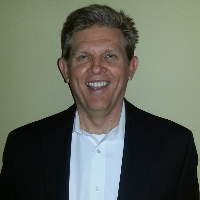
Texas · 18 yrs exp
Works with Stress, Anxiety / Relationship / Family +10
Works by Cognitive Behavioral Therapy (CBT) / Mindfulness Therapy
View Profile
Texas · 4 yrs exp
Works with Stress, Anxiety / Addictions / Relationship +4
Works by Acceptance and Commitment Therapy (ACT) / Client-Centered Therapy
View Profile
Louisiana · 10 yrs exp
Works with Stress, Anxiety / Trauma and abuse / Anger +13
Works by Attachment-Based Therapy / Client-Centered Therapy
View Profile
Illinois · 12 yrs exp
Works with Trauma and abuse / Self esteem / Coping with life changes +9
Works by Acceptance and Commitment Therapy (ACT) / Attachment-Based Therapy
View Profile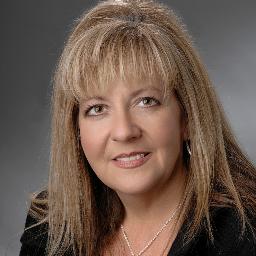
Kansas · 17 yrs exp
Works with Stress, Anxiety / Relationship / Family +11
Works by Attachment-Based Therapy / Client-Centered Therapy
View Profile
Missouri · 17 yrs exp
Works with Stress, Anxiety / Addictions / Relationship +10
Works by Attachment-Based Therapy / Client-Centered Therapy
View Profile
Pennsylvania · 13 yrs exp
Works with Stress, Anxiety / Trauma and abuse / Grief +13
Works by Acceptance and Commitment Therapy (ACT) / Client-Centered Therapy
View Profile
Texas · 26 yrs exp
Works with Stress, Anxiety / Relationship / Trauma and abuse +12
Works by Client-Centered Therapy / Cognitive Behavioral Therapy (CBT)
View Profile
Michigan · 13 yrs exp
Works with Stress, Anxiety / Addictions / Trauma and abuse +17
Works by Acceptance and Commitment Therapy (ACT) / Client-Centered Therapy
View Profile
Minnesota · 7 yrs exp
Works with Stress, Anxiety / LGBT / Trauma and abuse +10
Works by Client-Centered Therapy / Cognitive Behavioral Therapy (CBT)
View Profile
Texas · 20 yrs exp
Works with Stress, Anxiety / Relationship / Family +14
Works by Attachment-Based Therapy / Client-Centered Therapy
View Profile
North Carolina · 20 yrs exp
Works with Stress, Anxiety / Addictions / LGBT +2
Works by Acceptance and Commitment Therapy (ACT) / Client-Centered Therapy
View Profile
Texas · 18 yrs exp
Works with Stress, Anxiety / Addictions / LGBT +15
Works by Attachment-Based Therapy / Client-Centered Therapy
View Profile
Illinois · 5 yrs exp
Works with Stress, Anxiety / Addictions / Self esteem +2
View Profile
Vermont · 11 yrs exp
Works with Stress, Anxiety / Trauma and abuse / Self esteem +14
Works by Acceptance and Commitment Therapy (ACT) / Client-Centered Therapy
View Profile
Louisiana · 9 yrs exp
Works with Stress, Anxiety / Addictions / Relationship +12
Works by Client-Centered Therapy / Cognitive Behavioral Therapy (CBT)
View Profile
Montana · 23 yrs exp
Works with Stress, Anxiety / Family / Trauma and abuse +13
Works by Acceptance and Commitment Therapy (ACT) / Attachment-Based Therapy
View Profile
Nevada · 10 yrs exp
Works with Stress, Anxiety / Trauma and abuse / Parenting +16
Works by Attachment-Based Therapy / Client-Centered Therapy
View Profile
Texas · 19 yrs exp
Works with Stress, Anxiety / Relationship / Family +13
Works by Client-Centered Therapy / Cognitive Behavioral Therapy (CBT)
View Profile
Alabama · 12 yrs exp
Works with Stress, Anxiety / Family / Anger +14
Works by Cognitive Behavioral Therapy (CBT) / Dialectical Behavior Therapy (DBT)
View Profile
Colorado · 20 yrs exp
Works with Stress, Anxiety / Anger / Self esteem +11
Works by Client-Centered Therapy / Cognitive Behavioral Therapy (CBT)
View Profile
Kansas · 35 yrs exp
Works with Stress, Anxiety / Trauma and abuse / Grief +14
Works by Acceptance and Commitment Therapy (ACT) / Cognitive Behavioral Therapy (CBT)
View Profile
Texas · 3 yrs exp
Works with Stress, Anxiety / Trauma and abuse / Self esteem +12
Works by Cognitive Behavioral Therapy (CBT) / Mindfulness Therapy
View Profile
Missouri · 22 yrs exp
Works with Stress, Anxiety / Family / Trauma and abuse +14
Works by Client-Centered Therapy / Cognitive Behavioral Therapy (CBT)
View Profile
Missouri · 20 yrs exp
Works with Stress, Anxiety / Relationship / Family +5
Works by Acceptance and Commitment Therapy (ACT) / Client-Centered Therapy
View Profile
Illinois · 9 yrs exp
Works with Stress, Anxiety / LGBT / Grief +10
Works by Attachment-Based Therapy / Client-Centered Therapy
View Profile
Arkansas · 13 yrs exp
Works with Stress, Anxiety / Relationship / Trauma and abuse +14
Works by Acceptance and Commitment Therapy (ACT) / Attachment-Based Therapy
View Profile
Texas · 13 yrs exp
Works with Stress, Anxiety / Relationship / Family +15
Works by Attachment-Based Therapy / Cognitive Behavioral Therapy (CBT)
View Profile
Oklahoma · 9 yrs exp
Works with Stress, Anxiety / Anger / Self esteem +17
Works by Acceptance and Commitment Therapy (ACT) / Attachment-Based Therapy
View ProfileCompulsion refers to repetitive behaviors or mental acts that a person feels driven to perform in response to an urge or to reduce distress. Compulsive actions can be obvious, like repeatedly checking locks, washing, ordering, or counting, or they can be less visible, such as repeated mental rituals or compulsive decision-making. Compulsions are often tied to an internal sense that something bad will happen or that relief will be achieved only by performing the act. Over time the behavior can take up hours of a day, strain relationships, reduce productivity, and make everyday tasks harder to complete.
How compulsion shows up varies from person to person. For some people it may be episodic and linked to a high-stress period in life. For others it has a steady presence that shapes routines and limits options. Compulsion can interact with mood, anxiety, and health concerns; you may notice that stress amplifies urges, or that avoiding certain places or tasks becomes a primary coping pattern. Understanding the patterns and triggers that surround your compulsive behaviors is a first step toward finding a practical way forward.
You might consider seeking counseling if compulsive behaviors interfere with your daily life, cause significant distress, or feel impossible to stop despite negative consequences. Signs include spending increasing time on rituals, missing work or social activities because of urges, feeling intense anxiety if you try to resist a behavior, or using rituals to neutralize distressing thoughts. You may also notice avoidance of people, places, or situations that trigger urges, or a growing need to perform actions more frequently or more intensively to achieve the same relief.
Another important sign is if you have tried self-help strategies that initially worked but no longer do, or if attempts to cut back lead to rebound stress. If compulsive behavior overlaps with substance use, persistent sadness, or panic symptoms, a counselor who holds licensure as an LPC, LPCC, or LCPC can help you sort out how these concerns interact. Counseling is not a diagnostic test; it is a collaborative setting to explore patterns, set goals, and try evidence-informed strategies that counselors list among their approaches.
When you begin working with a licensed professional counselor for compulsion, the first sessions typically focus on assessment and goal-setting. Your counselor will ask about the history and context of behaviors, triggers, patterns that maintain the cycle, and how compulsion affects your life and relationships. You will work together to identify specific and measurable goals, such as reducing time spent on rituals, increasing tolerance of uncertainty, or improving daily functioning.
Sessions move at a pace you and your counselor agree on. Counseling often combines practical skill-building with opportunities to talk through the emotions and meanings tied to compulsive acts. You can expect a mix of dialogue, in-session exercises, and between-session practice that helps you test new responses to urges. Progress may be gradual, and setbacks can happen; a counselor who holds an LPC, LPCC, or LCPC will typically help you track changes, adjust strategies, and reinforce wins that matter to you.
Counselors who list particular approaches often draw on several methods to address compulsion. Cognitive-behavioral strategies are commonly cited because they focus on the links between thoughts, feelings, and behaviors and on building concrete skills to respond differently to urges. Exposure and response prevention - often abbreviated as ERP - is an approach many counselors list when working with compulsive behaviors. ERP involves gradual, supported exposure to triggers while resisting the urge to perform the compulsive act, helping you learn that distress reduces without ritualizing and that feared outcomes are often less likely than they feel.
Other approaches counselors may list include acceptance and commitment methods, which emphasize noticing urges without acting on them and clarifying what matters to you beyond the compulsion. Habit reversal strategies can be useful when compulsive acts are repetitive motor behaviors; these methods focus on awareness, developing competing responses, and making environmental changes to reduce triggers. Because this directory documents only that a counselor lists an approach, look to profiles and biographies to understand which approaches a counselor highlights and how they describe using them with people who struggle with compulsion.
Online counseling has become a common way to work with a licensed professional counselor for compulsion, and it can be a practical choice if you need flexibility in scheduling or access to counselors outside your immediate area. Sessions typically take place via video or messaging platforms that meet state and federal privacy and data-protection standards. In many cases the structure of sessions mirrors in-person work - assessment, goal-setting, skill-building, and between-session practice - with adaptations to suit remote communication.
When you choose online counseling, consider how you will create a calm setting for sessions and how you will do between-session exposures or exercises in your own environment. Some people find it helpful to practice exposure tasks at home with guidance from a counselor online, while others use online sessions for planning and processing. Keep in mind that state licensure governs practice across state lines, so counselors in this directory will list the states where they hold LPC, LPCC, or LCPC licensure. Profiles will indicate licensure and the counselor's listed approaches, languages, and relevant experience so you can see how they align with what you need.
When you are evaluating counselors, focus on the factors that matter most to you: the counselor's licensure type, the specific focus areas they list, the approaches they mention, language abilities, and relevant experience. This directory covers counselors holding one of three licensure titles: LPC in many states, LPCC in states such as Ohio, California, Kentucky, and Minnesota, and LCPC in states such as Illinois, Maryland, and Montana. In some states the clinical title exists alongside an LPC designation as a state-specific naming convention that reflects how boards regulate clinical practice and supervised experience. Where those distinctions matter, look to the counselor's profile for the specific licensure and the state board that issues it.
Licensure as an LPC, LPCC, or LCPC requires a master's degree in counseling, a state-set period of supervised postgraduate clinical experience commonly running two to three years and totaling several thousand hours, and successful completion of a national examination. State boards issue and renew the license, and requirements vary by state. This directory lists counselors on the basis of that licensure. It does not record or verify every therapeutic training a counselor may list, so pay attention to the counselor biographies where they describe their work with compulsion and the approaches they highlight.
Practical considerations include whether a counselor lists experience with the particular forms of compulsion you face, whether they communicate in a language you prefer, and whether their stated approach to goal-setting and homework fits your style. You may also want to read how counselors describe their orientation - counseling training emphasizes a wellness and developmental approach that starts from how you are functioning and what you want to move toward rather than focusing only on diagnosis. Use the profile details to compare focus areas, approaches, credentials, languages, and experience so you can find a counselor whose description aligns with your needs and goals.
If compulsion is shaping your routines and choices, working with a counselor who holds an LPC, LPCC, or LCPC can give you a framework for understanding the pattern and trying practical strategies to change it. Profiles on this site are organized to help you review licensure, focus areas, approaches listed by the counselor, and professional background so you can make an informed decision about who might be a good match for the work you want to do. Counseling is a collaborative process, and finding a counselor whose approach resonates with you is an important step toward building the skills that reduce the hold compulsive behaviors can have on your life.
Alabama
238 therapists
Alaska
20 therapists
Arizona
196 therapists
Arkansas
116 therapists
California
174 therapists
Colorado
346 therapists
Connecticut
79 therapists
Delaware
4 therapists
District of Columbia
26 therapists
Florida
152 therapists
Georgia
623 therapists
Hawaii
5 therapists
Idaho
90 therapists
Illinois
383 therapists
Indiana
22 therapists
Iowa
11 therapists
Kansas
41 therapists
Kentucky
128 therapists
Louisiana
310 therapists
Maine
42 therapists
Maryland
174 therapists
Massachusetts
5 therapists
Michigan
318 therapists
Minnesota
117 therapists
Mississippi
151 therapists
Missouri
388 therapists
Montana
78 therapists
Nebraska
12 therapists
Nevada
36 therapists
New Hampshire
7 therapists
New Jersey
261 therapists
New Mexico
61 therapists
New York
32 therapists
North Carolina
89 therapists
North Dakota
12 therapists
Ohio
281 therapists
Oklahoma
278 therapists
Oregon
89 therapists
Pennsylvania
523 therapists
Rhode Island
4 therapists
South Carolina
281 therapists
South Dakota
28 therapists
Tennessee
143 therapists
Texas
1899 therapists
Utah
19 therapists
Vermont
8 therapists
Virginia
287 therapists
Washington
19 therapists
West Virginia
46 therapists
Wisconsin
210 therapists
Wyoming
45 therapists