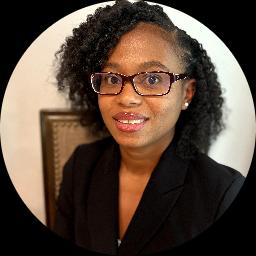
About Yslande
Yslande Vilsaint helps people who are stressed, anxious, depressed, or wrestling with relationship and family problems. She supports individuals coping with life changes, grief, addiction, and issues like low self-esteem or intimacy concerns. She offers a calm space to talk and figure out next steps together.
Yslande is a Licensed Professional Counselor, LPC, based in Connecticut with ten years of experience. She meets people where they are and pays attention to cultural background and personal history.
Background and approach
Sessions are aimed at practical changes that make day-to-day life easier. Her work often combines client-centered care with cognitive behavioral techniques. That means she listens carefully, then helps identify thoughts and habits that get in the way.
Together a client and therapist try small experiments and new ways of coping that can shift feelings and behavior. Mindfulness and solution-focused ideas also shape her approach. Mindfulness helps people notice what they are feeling in the moment.
Solution-focused steps keep conversations goal-directed and useful between sessions. She also uses motivational interviewing to support commitment and change when someone is feeling stuck. That approach helps people clarify what matters to them and find their own reasons to move forward.
The overall aim is steady, workable progress rather than quick fixes.
Therapeutic approaches and online care
Client-centered Therapy focuses on empathy and understanding. The therapist listens without judgment and follows the client's lead to build trust and clarity. This approach is helpful when someone needs a supportive space to talk through difficult feelings and life events.Cognitive Behavioral Therapy, or CBT, helps people spot unhelpful thoughts and test new behaviors. It is practical and problem-focused, and it can help with anxiety, depression, and relationship patterns by teaching skills to manage thoughts and reactions.
Finding the right mix of approaches is part of the work. The therapist will collaborate with each person to choose methods that fit their goals and preferences. Conversations about what helps and what doesn't are ongoing, and plans are adjusted as progress is made.
Online sessions can take place by video calls, phone sessions, live chat, or text-based messaging. Video is useful for face-to-face conversation and visual cues, phone calls work well when bandwidth is limited, and chat or messaging can fit quick check-ins or those who prefer not to be on camera. These options provide flexibility for different schedules and needs, making it easier to keep regular appointments and practice skills between sessions.
Questions people ask
What concerns does she address?
How would you describe her therapy style?
What is her background and experience?
Where is she based and what are her credentials?
Which languages are sessions offered in?
What session formats are available?
How does billing and cost work?
How do I begin working with her?
What this counselor works with
Most often
- Stress, Anxiety
- Relationship issues
- Self esteem
Also listed
- Abandonment
- Addictions
- Adoption and foster care
- Anger management
- Body image
- Career difficulties
- Caregiver issues and stress
- Commitment issues
- Communication problems
- Compassion fatigue
- Coping with life changes
- Depression
- Emptiness
- Family conflicts
- Family problems
- Forgiveness
- Grief
- Guilt and shame
- Intimacy-related issues
- Jealousy
- Multicultural concerns
- Parenting issues
- Seasonal Affective Disorder (SAD)
- Self-love
- Social anxiety and phobia
- Trauma and abuse
- Women's issues
Therapeutic approaches
- Experience
- 10 years
- Licensed
- Connecticut
- Languages
- English