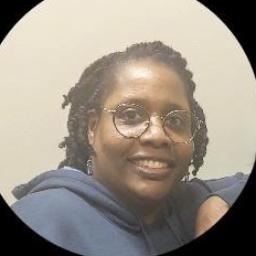
About Wendy
Wendy Haynes-Britton greets people who are ready to change hard patterns and feel steadier in daily life. She focuses on practical steps to manage addiction, strong emotions, and relationship problems. Wendy uses plain language and calm guidance to help people start small and build forward momentum.
Wendy holds an LPCC, which means she practices as a licensed professional counselor in Ohio. She draws on 16 years of clinical experience to guide conversations and suggest strategies that fit each person's situation.
Background and approach
Sessions are straightforward and aimed at helping people feel more in control of their reactions and choices. In meetings she emphasizes open, nonjudgmental listening so clients can say what they really think and feel. She works with common concerns such as trauma and abuse, depression, anger, and addictions.
Wendy also helps people handle issues like infidelity, communication problems, divorce and separation, and body image struggles. Her approach mixes skill-building and emotional understanding. That can mean learning coping skills from cognitive behavioral approaches, practicing acceptance and values-based action, or using mindfulness to soothe strong reactions.
The goal is to make tools you can use between sessions. Wendy aims to help people sort through guilt, shame, and life transitions while considering cultural and developmental differences. She offers practical steps and steady support as people work toward clearer goals and healthier routines.
How evidence-based methods translate online
Acceptance and Commitment Therapy helps people identify what matters most to them and take small steps toward those values even when emotions are strong. It can be useful for depression, anxiety, and struggles with motivation.Cognitive Behavioral Therapy focuses on practical skills to change unhelpful thoughts and behaviors. It often involves homework and experiments between sessions to build new habits for mood and relationships.
Dialectical Behavior Therapy offers tools for regulating intense emotions and improving distress tolerance through concrete skills like grounding, emotion labeling, and interpersonal effectiveness.
Choosing the best approach is a collaborative process. The therapist will talk with each person about goals, try methods that fit those goals, and adjust based on what helps. Clients shape the plan and give feedback so methods match needs and preferences.
Online therapy provides flexibility through video calls, phone sessions, live chat, and text-based messaging. Video allows a longer, face-to-face style session; phone calls work when bandwidth is limited; live chat or text can be used for brief check-ins, journaling, or assigning quick skills practice. These options help fit therapy into busy schedules and different daily routines.
Questions people ask
What concerns does Wendy commonly address?
What is her therapy style like?
How much clinical experience does she have?
What are her credentials and where is she located?
In which languages are sessions offered?
Which session formats are available?
How does cost and billing work?
How do I begin working with her?
What this counselor works with
Most often
- Addictions
- Relationship issues
- Trauma and abuse
Also listed
- Anger management
- Body image
- Codependency
- Communication problems
- Depression
- Divorce and separation
- Family problems
- Forgiveness
- Guilt and shame
- Infidelity
- Intellectual disability
- Life purpose
- Midlife crisis
- Multicultural concerns
- Panic disorder and panic attacks
- Personality disorders
- Polyamory / non-monogamous relationships
- Post-traumatic stress
- Postpartum depression
- Social anxiety and phobia
- Women's issues
- Workplace issues
Therapeutic approaches
- Experience
- 16 years
- Licensed
- Ohio
- Languages
- English