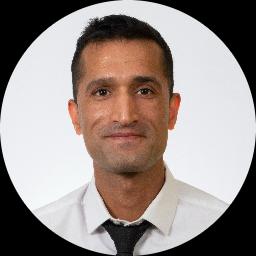
About Wais
Wais Khairandesh is a licensed professional counselor who helps people dealing with relationship pain, trauma, grief, low self-esteem, and stress. He supports those facing anxiety, depression, compassion fatigue, sleep problems, and struggles with intimacy or career direction. He speaks plainly and meets people where they are.
Wais uses practical, evidence-informed techniques to help clients change patterns that cause suffering. Sessions focus on small, achievable steps - learning new ways to communicate, managing upsetting thoughts, and rebuilding trust with yourself and others.
Background and approach
He blends trauma-focused work with cognitive tools and motivational strategies to make steady progress. He draws on seven years of clinical experience in Arizona and centers empathy and collaboration in each session. Wais also brings personal experience with loss and recovery, which informs his understanding of pain and resilience.
That lived perspective shapes how he listens and how he helps people move forward. Therapy with him is goal-oriented but flexible. Conversations include tracking what works, adjusting plans, and practicing skills between sessions.
Wais helps clients clarify values, repair connection, and find a clearer sense of purpose. People who come for help may be working through attachment wounds, shame and guilt, loneliness, or post-traumatic stress. He also addresses issues common to veterans and men who are rethinking identity and relationships.
The work emphasizes building self-compassion and stronger coping habits. Wais conducts sessions in English and accepts international clients. He offers multiple online formats to fit different needs and schedules.
To start, clients complete a short matching questionnaire and schedule a session that fits their timing.
How online approaches and therapy work together
Wais uses Cognitive Behavioral Therapy and Trauma-Focused Therapy to guide online work. CBT helps people notice and change unhelpful thoughts and behaviors and is useful for anxiety, depression, sleep problems, and stress. Trauma-Focused Therapy focuses on processing past hurt and reducing its grip on daily life, which can help with post-traumatic stress and long-standing relationship wounds.Finding the right approach is a collaborative process. The therapist will discuss your goals, history, and preferences and then tailor techniques that fit what you want to achieve. He checks progress regularly and adjusts methods so the work stays relevant and doable.
Online formats include video calls, phone sessions, live chat, and text-based messaging to provide flexibility. Video calls let you have face-to-face conversation; phone sessions can work when bandwidth is limited or you need a quieter option; live chat and messaging are useful for brief check-ins, ongoing encouragement, or when typing feels easier than speaking. These options help fit therapy into busy schedules and different lifestyles while keeping the focus on practical progress.
Questions people ask
What concerns does he focus on?
What is his therapeutic style like?
How much clinical experience does he have?
What credentials and region are listed?
In which languages can sessions be held and are international clients possible?
Which session formats are available?
How are costs and billing handled?
What is the first step to begin therapy?
What this counselor works with
Most often
- Relationship issues
- Trauma and abuse
- Grief
Also listed
Therapeutic approaches
- Experience
- 7 years
- Licensed
- Arizona
- Languages
- English